
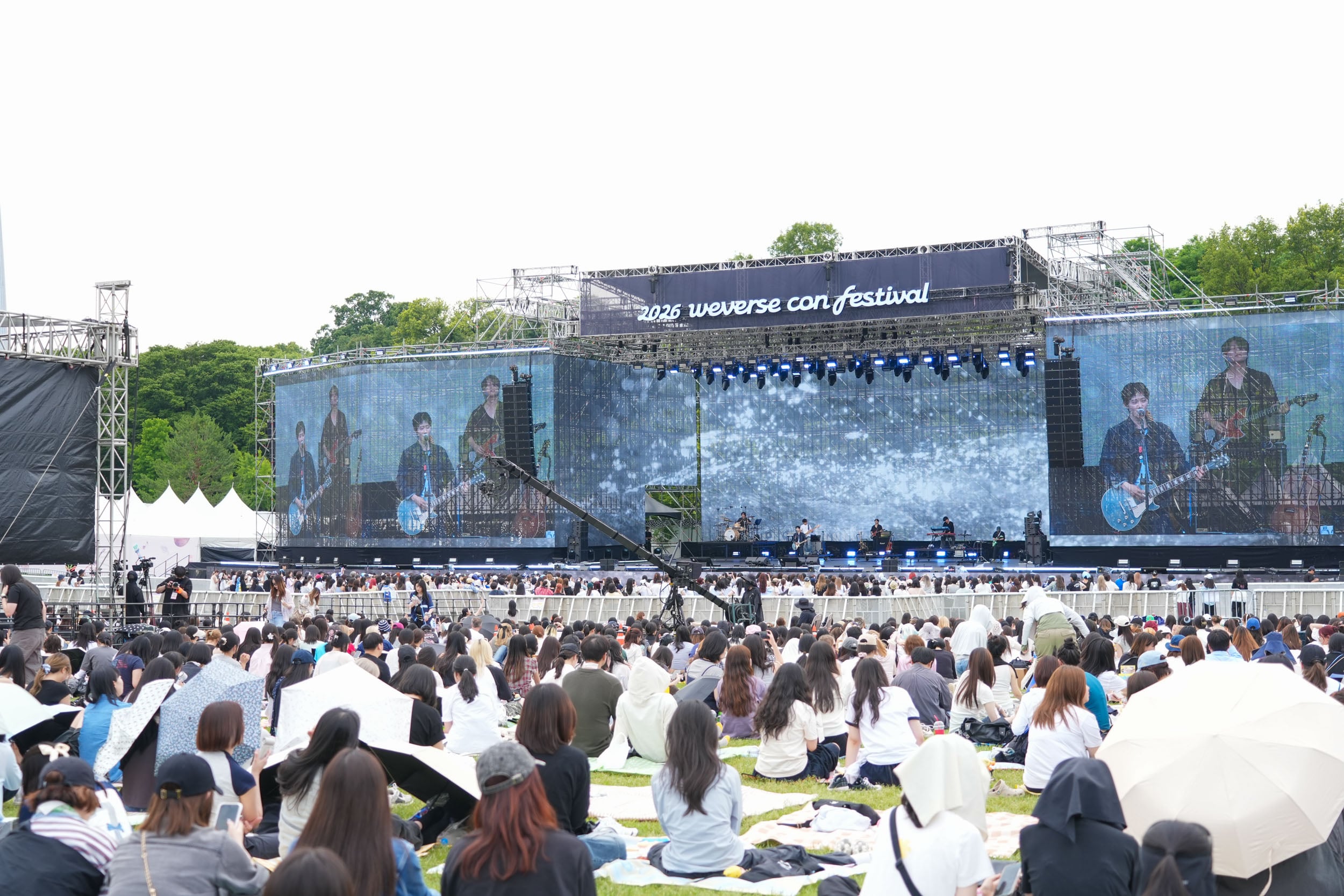
Before the numbers, before the official statements, before the word “record,” there is the sound. The sound rising from the lawn of Olympic Park as the sun begins to set and thousands of fans move between KSPO DOME and 88 Lawn Field as if crossing a parallel city, one built for only two days and yet instantly recognizable to anyone familiar with the emotional grammar of K-pop: light sticks tucked into backpacks, fans printed with artists’ faces, outfits planned down to the smallest detail, orderly queues, phones at the ready, banners, smiles, anticipation, and accidental encounters that feel as though they had been scheduled long ago.
The 2026 Weverse Con Festival, held in Seoul on June 6 and 7, was not simply a concert, and perhaps not even just a music festival. It was the moment a digital platform took physical form, becoming a place, a collective ritual, a visible economy, and a community in motion. Because throughout the year, Weverse lives on a smartphone: in artists’ notifications, live broadcasts, communities, messages, exclusive content, shops, memberships, and in that almost daily sense of continuity that keeps artists and fans connected even when oceans, time zones, and languages stand between them. But at Weverse Con, all of this stepped out of the screen and became air, stage, grass, crowd, queues, sponsors, merchandise, music, sweat, rain or sun, and presence.
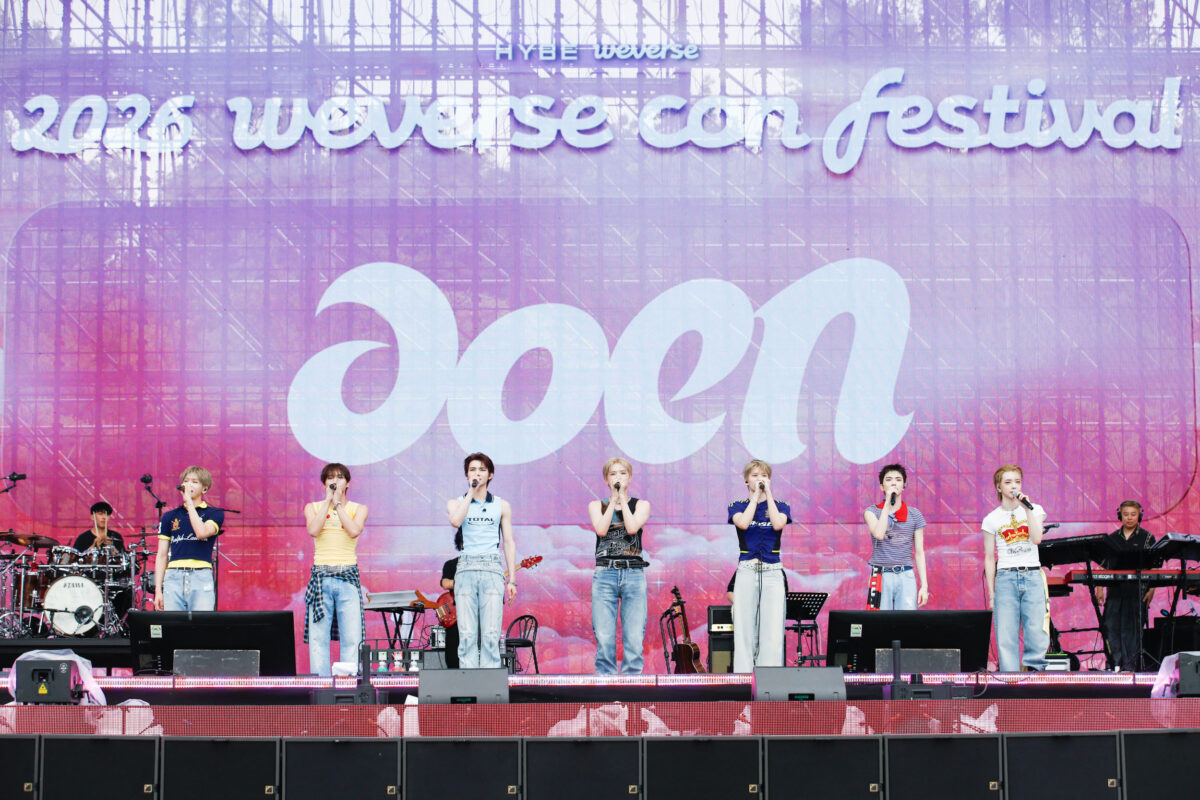
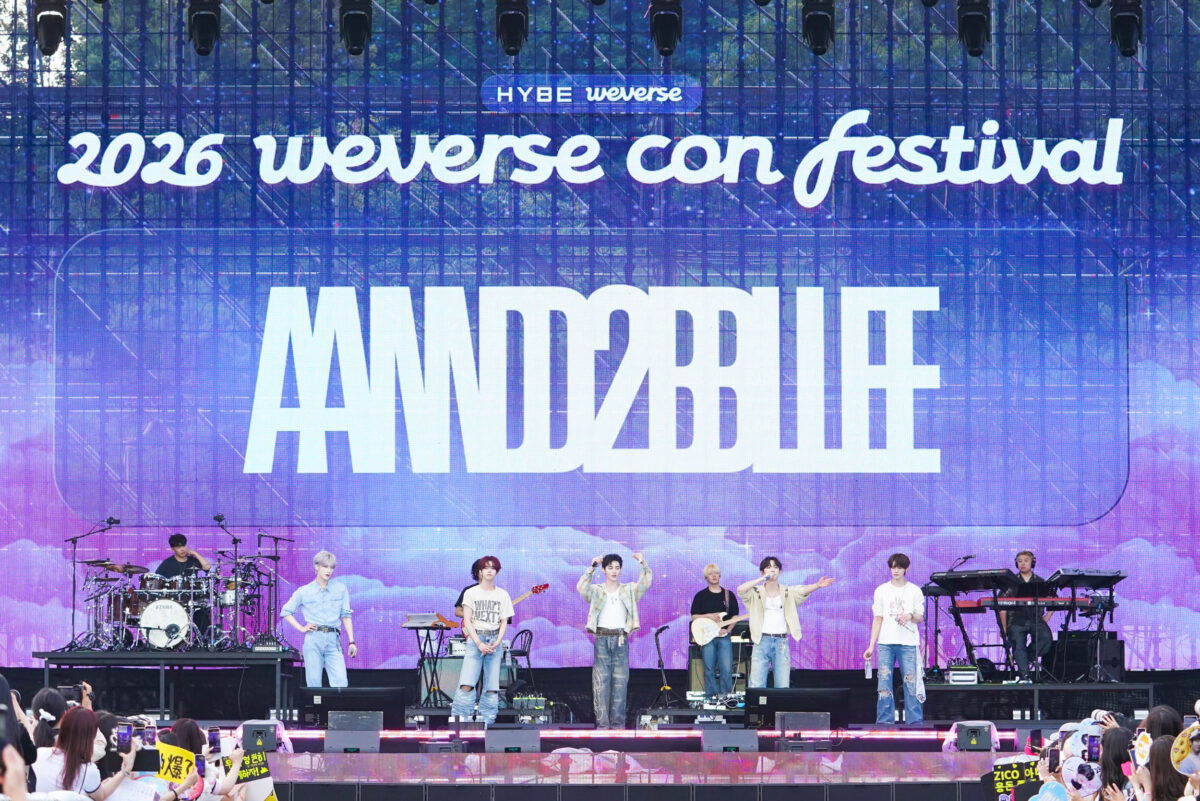
The 2026 edition closed with a figure that clearly reflects the scale of its growth: 34,000 fans across in-person attendance and online viewing, the highest number ever recorded by the festival, and a lineup of 30 artists, the largest in its history. But to stop at the figure would be to miss the point. What happened in Seoul was something far more layered: the transformation of K-pop from a global cultural product into a total infrastructure of pop experience, capable of bringing together music, technology, fandom, memory, performance, branding, and a sense of belonging.
“Newtopia” and the Ideal City of Fandom
The theme chosen for 2026 was “Newtopia,” a word that sounds as if it belongs in a futuristic manifesto and yet, seen from inside the festival, took on an almost surprising concreteness. Newtopia was, of course, the name of a new utopia, but it was also the temporary shape of an ideal city built around music, where the traditional hierarchy between stage and audience seemed to dissolve into a more fluid system of participation, recognition, and shared experience.
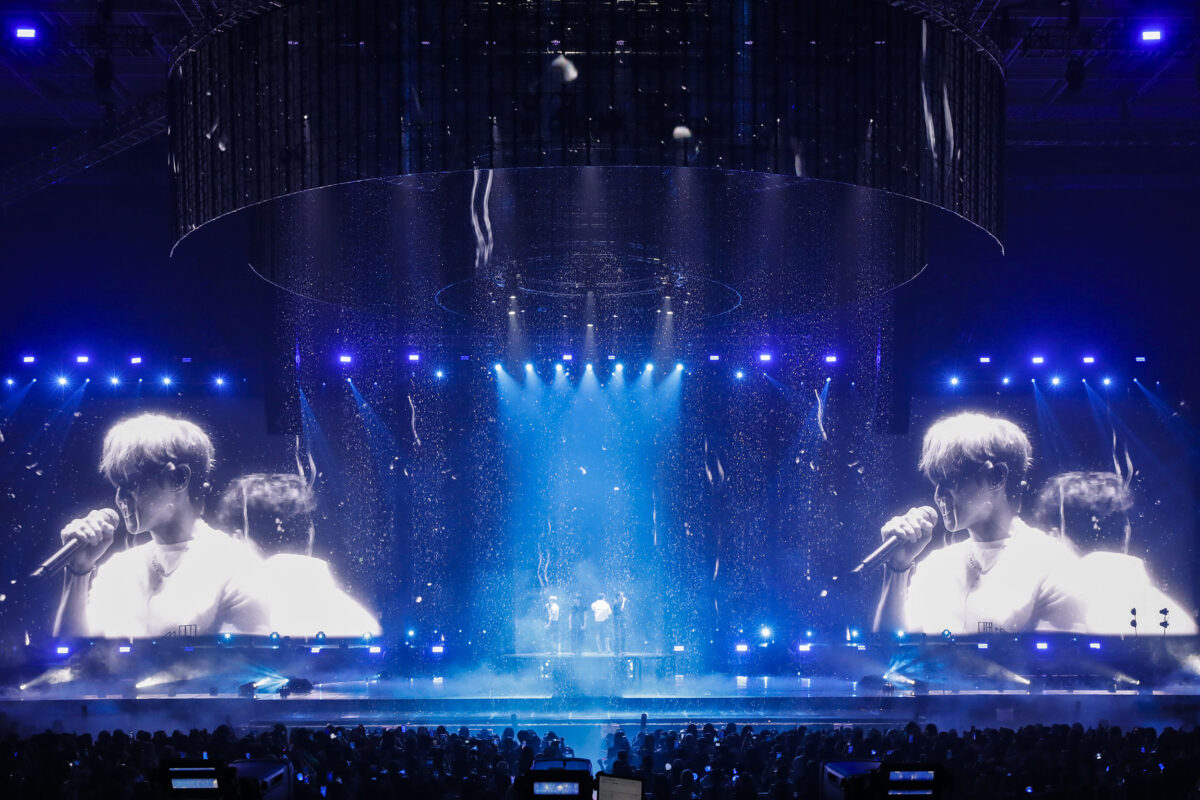
Between KSPO DOME and 88 Lawn Field, Seoul became an emotional map of contemporary fandom. On one side stood the arena, with its perfect liturgy, meticulous production, lights, screens, stage changes, and the compressed energy of thousands of people waiting for the same moment; on the other, the lawn, more open, more festival-like, almost Western in its idea of temporary community, yet deeply Korean in the precision of its organization, the order of its flows, and the way every detail was integrated into the overall experience.
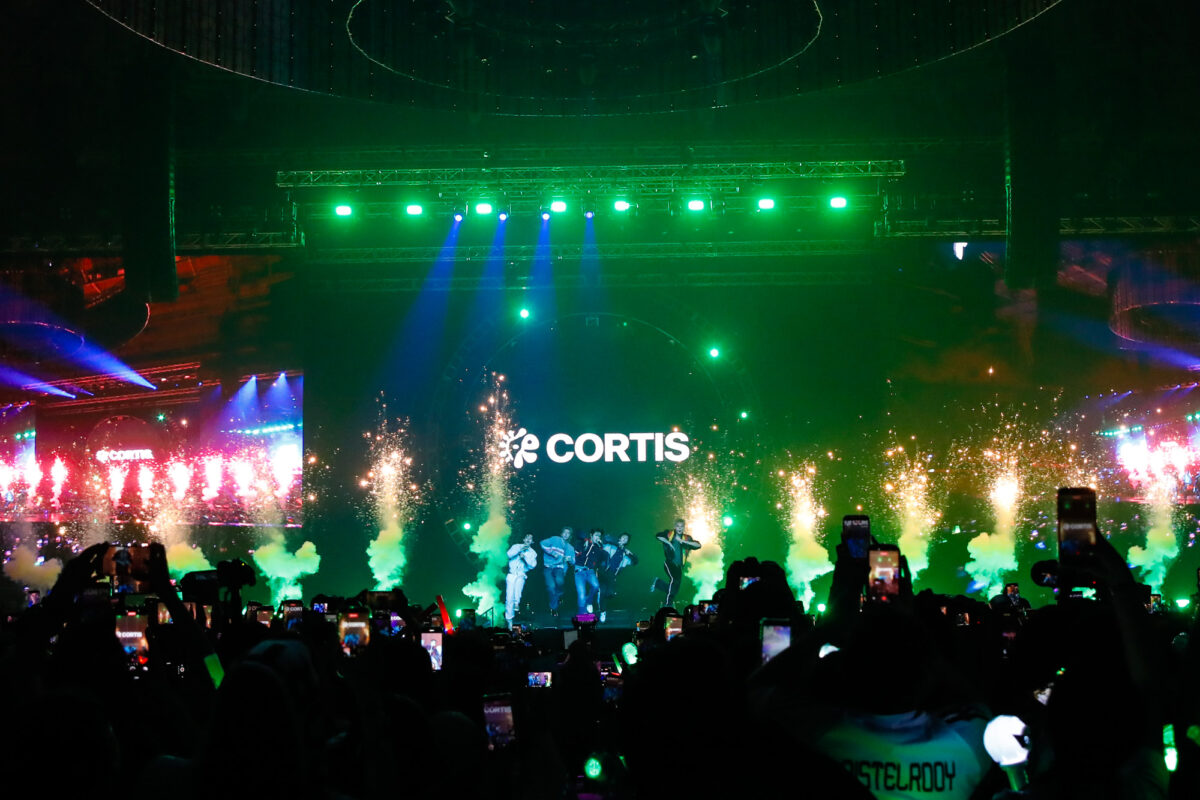
Within this perimeter, Weverse Con built something that no longer resembles a simple live event, but rather an ecosystem. The Weverse Booth, the Torriden Booth, the Upbit Booth, and the other side activities were not accessories placed there to fill the space between performances, but parts of the same grammar: the festival did not merely show artists to fans; it brought fans into an environment where every gesture, from taking a photo to buying a product, from joining an activity to sharing a piece of content, became part of the narrative.
This is where Weverse Con reveals its most interesting nature. It is not just HYBE’s festival. It is the physical arm of Weverse, the platform that in recent years has redefined the relationship between artists and audiences, turning fandom into something continuous, measurable, monetizable, but also emotionally powerful. Here, fan culture stops being an audience and becomes architecture.
Thirty Artists, Many Koreas, One Pop Grammar
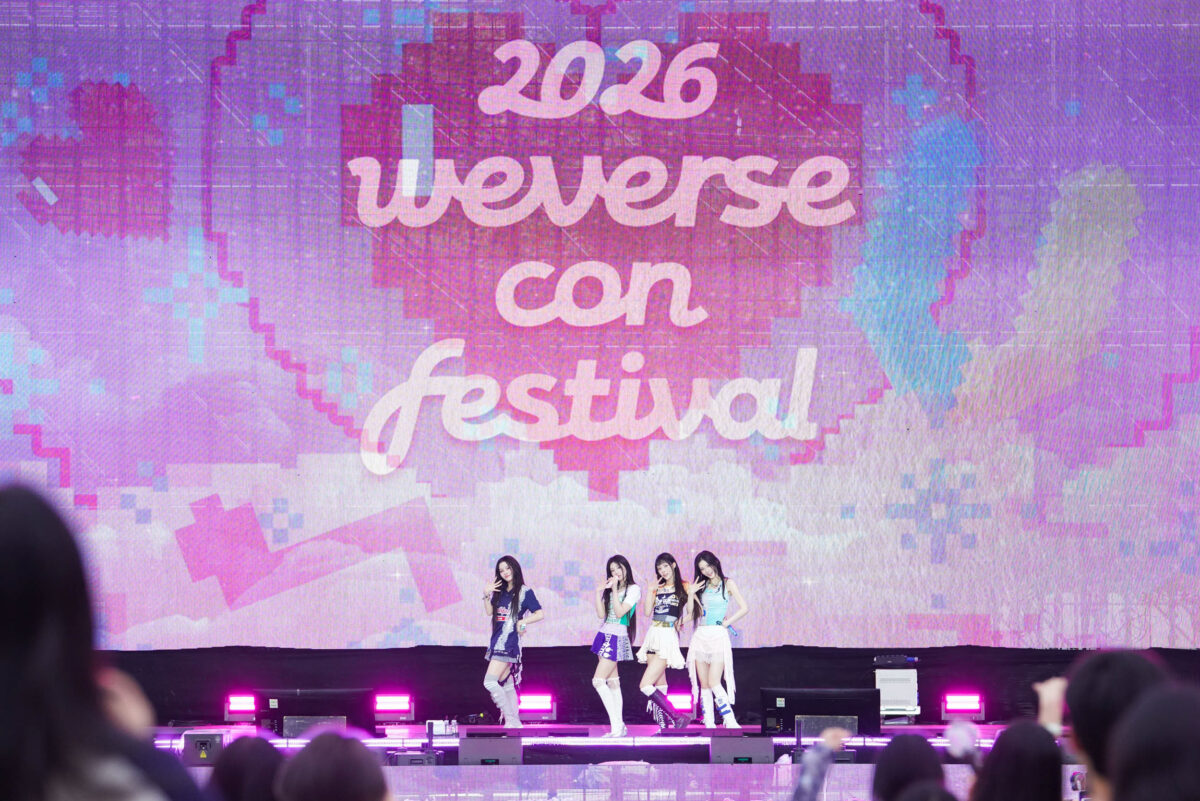
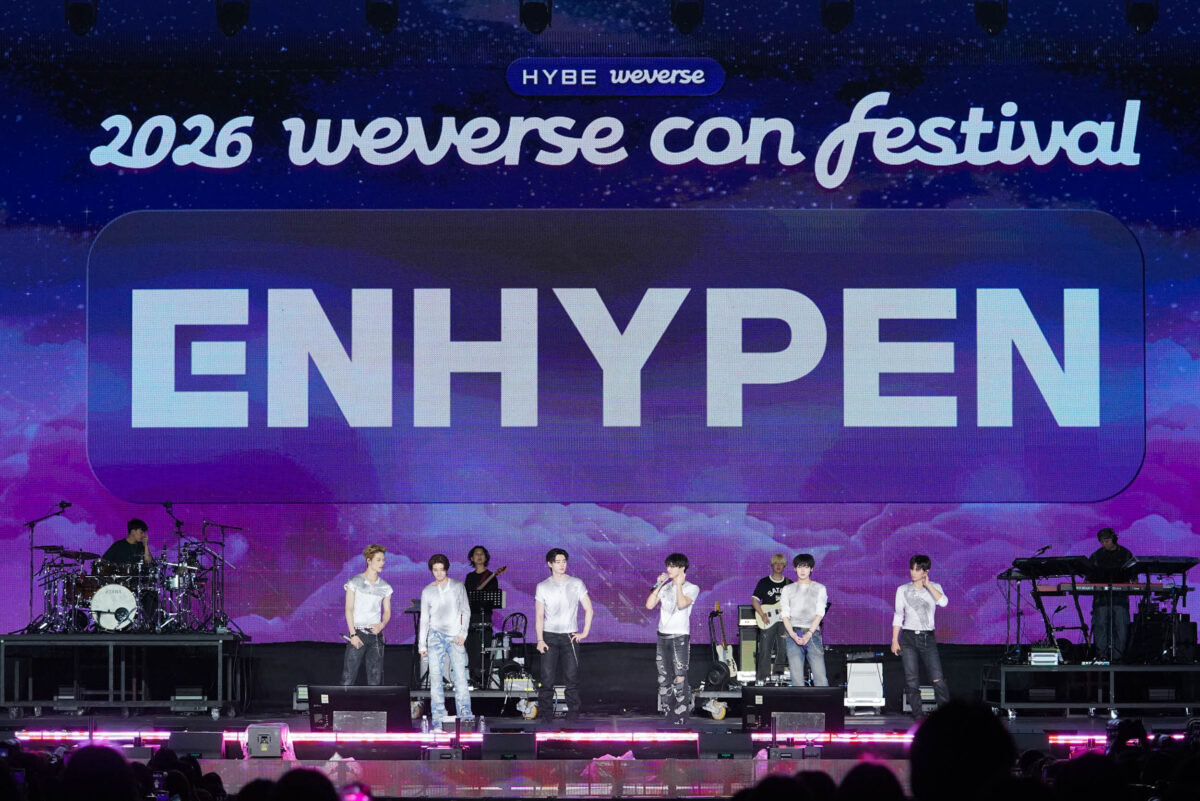
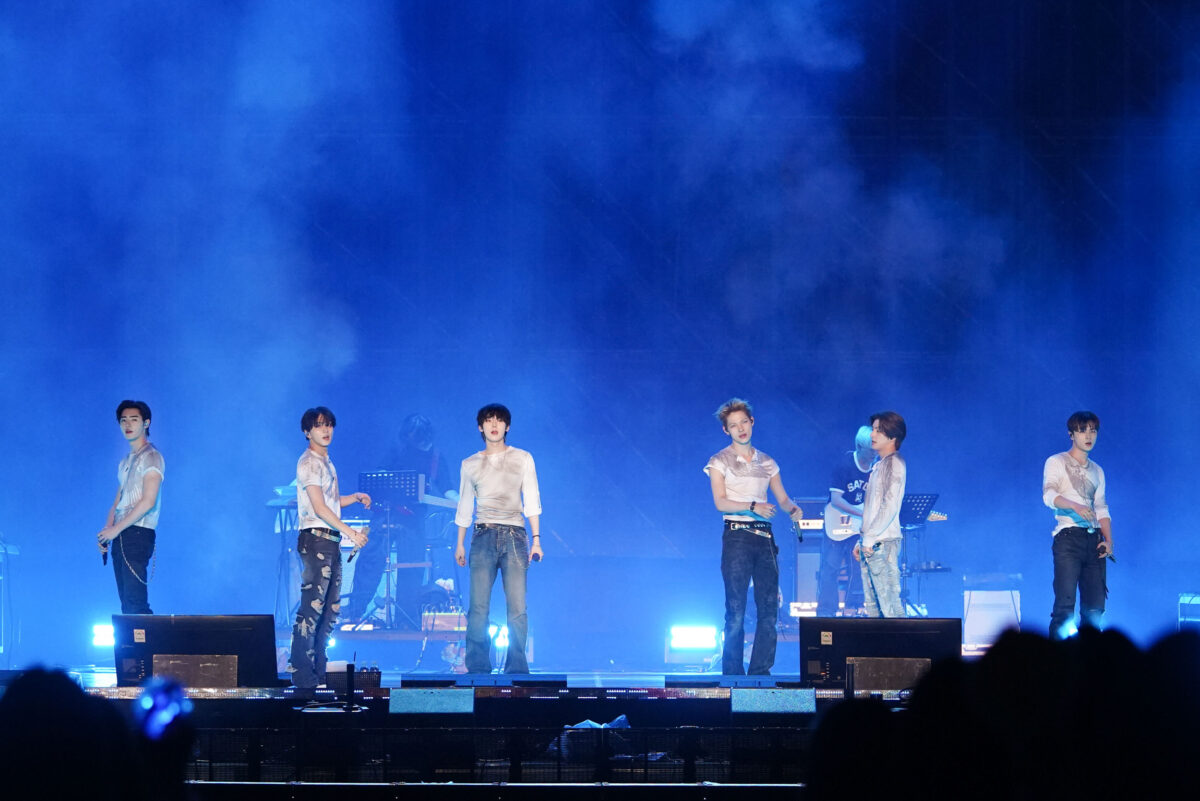
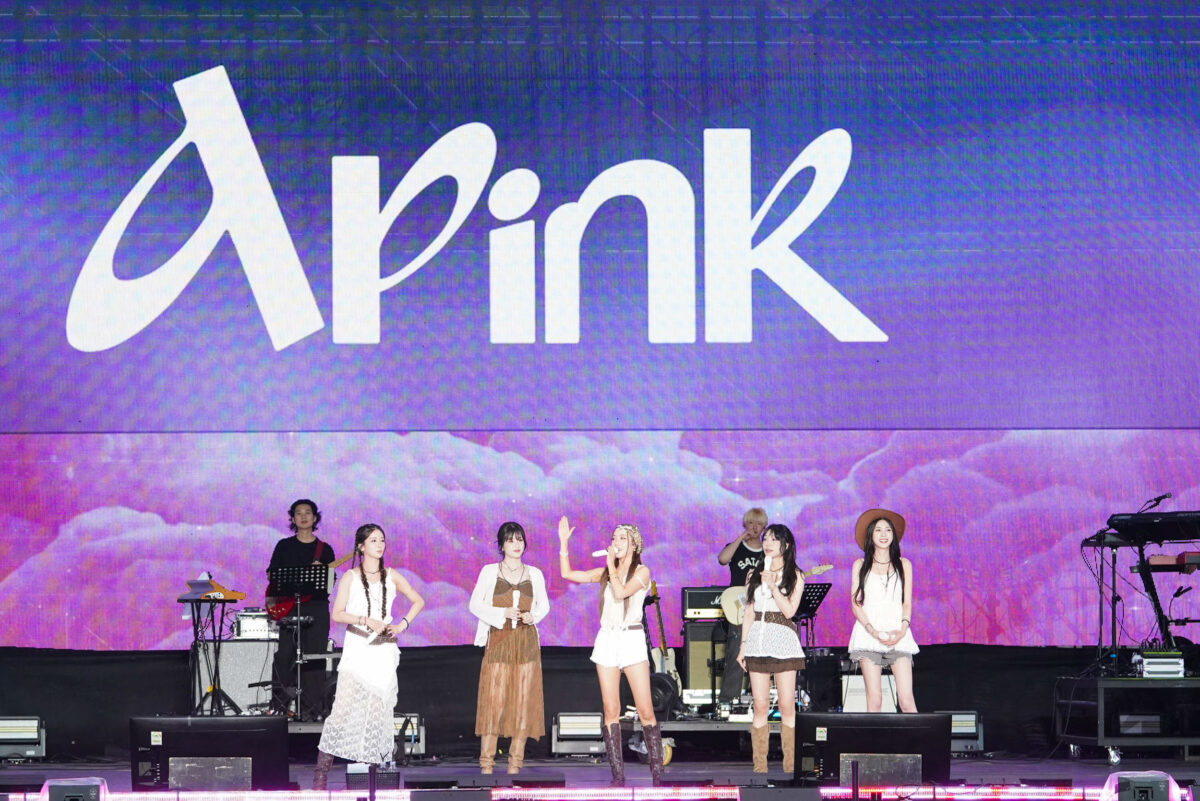
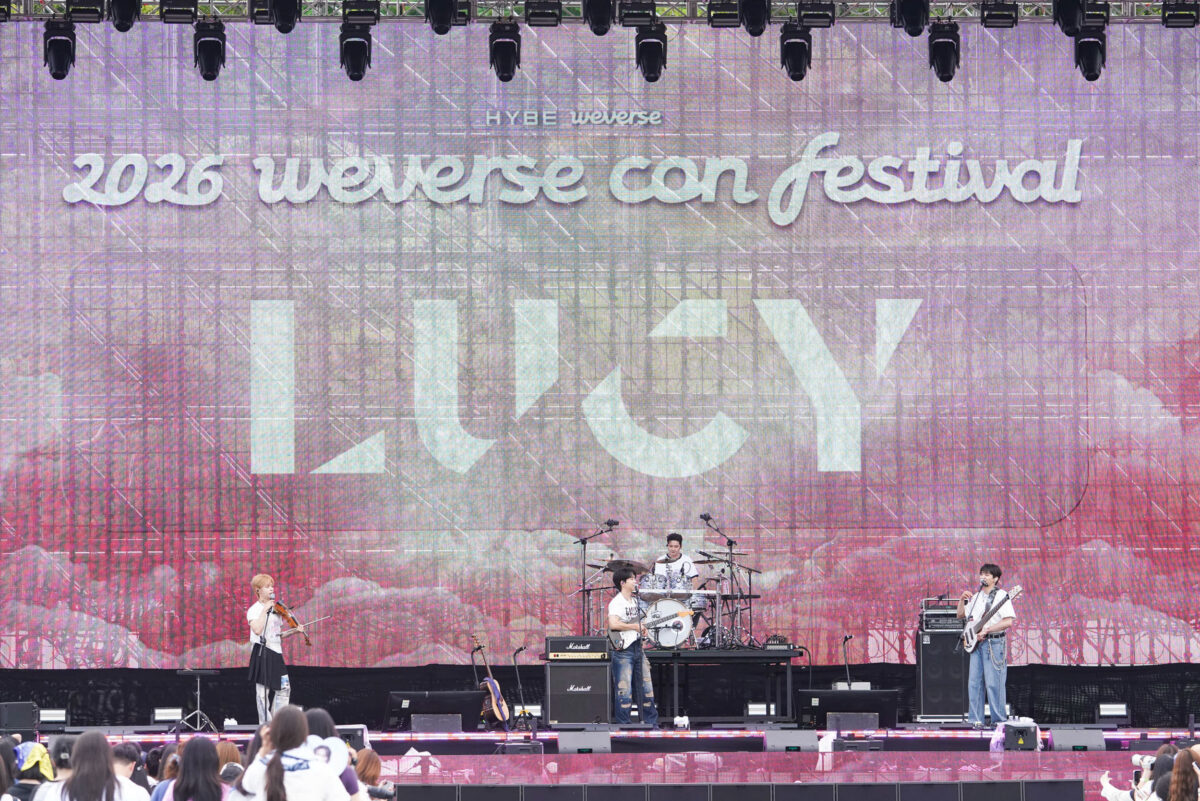
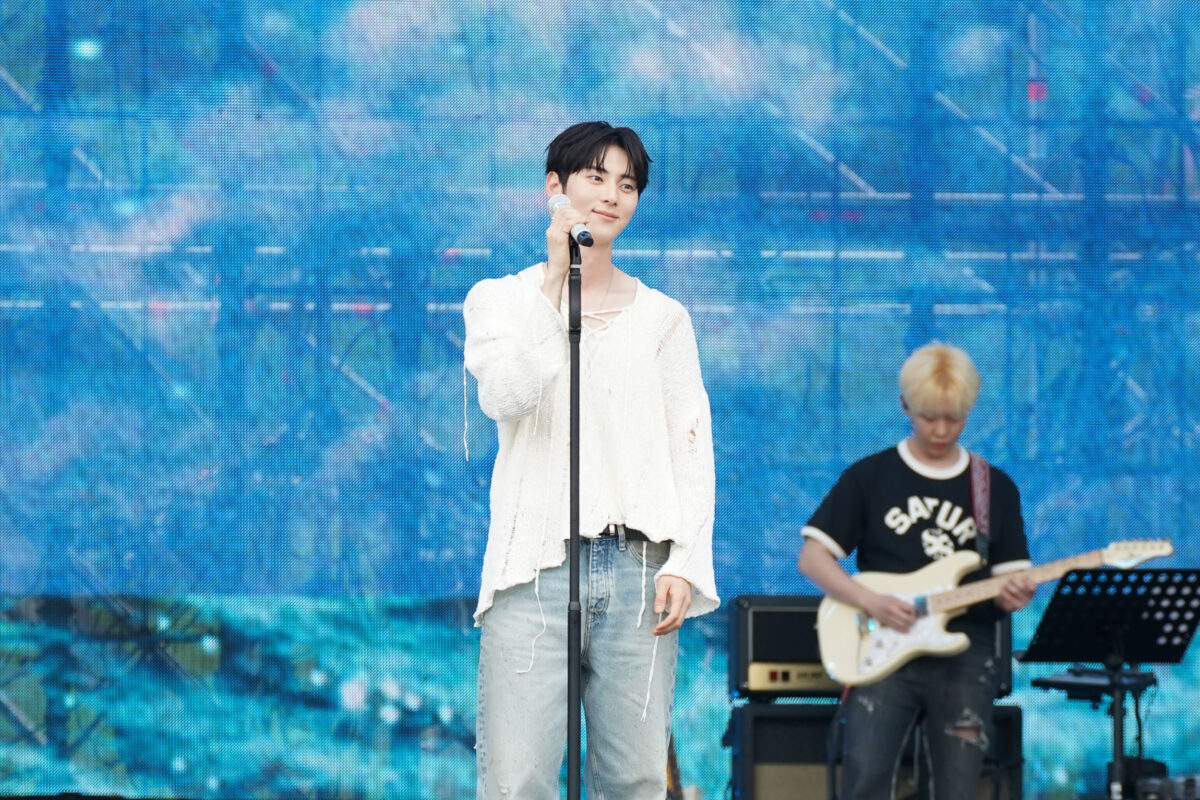
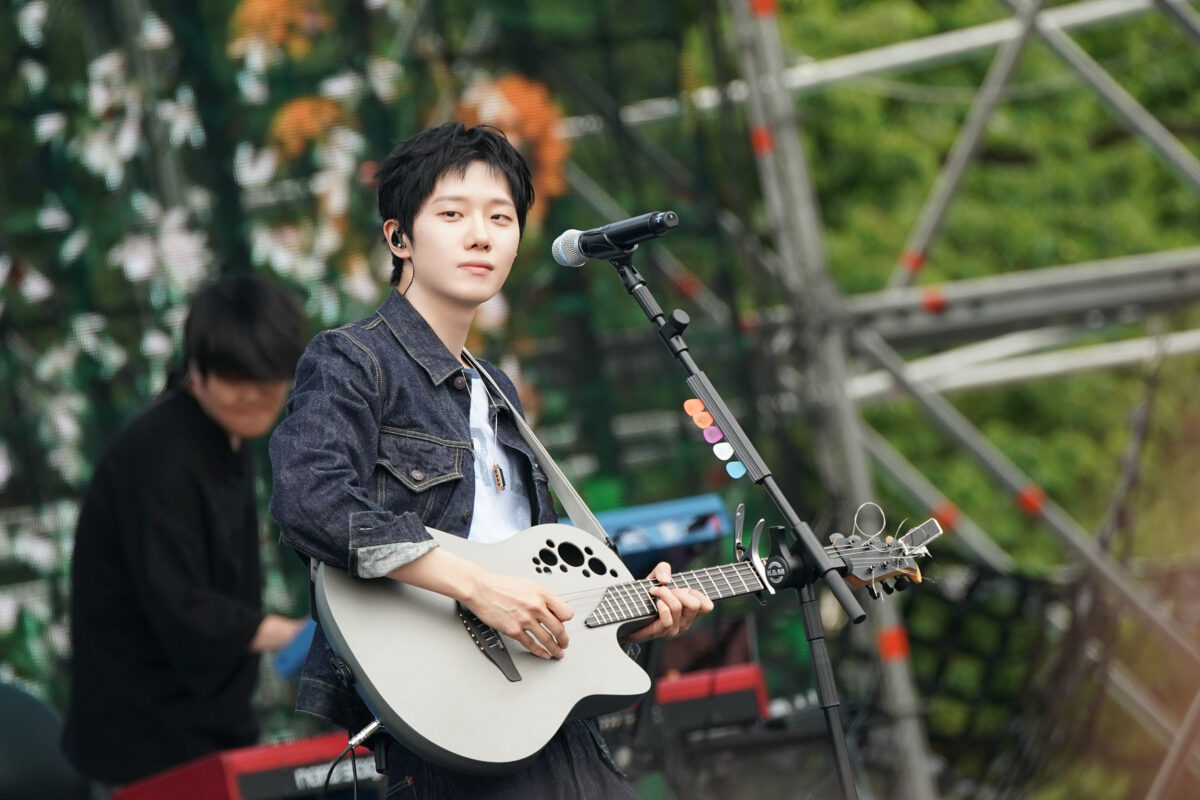
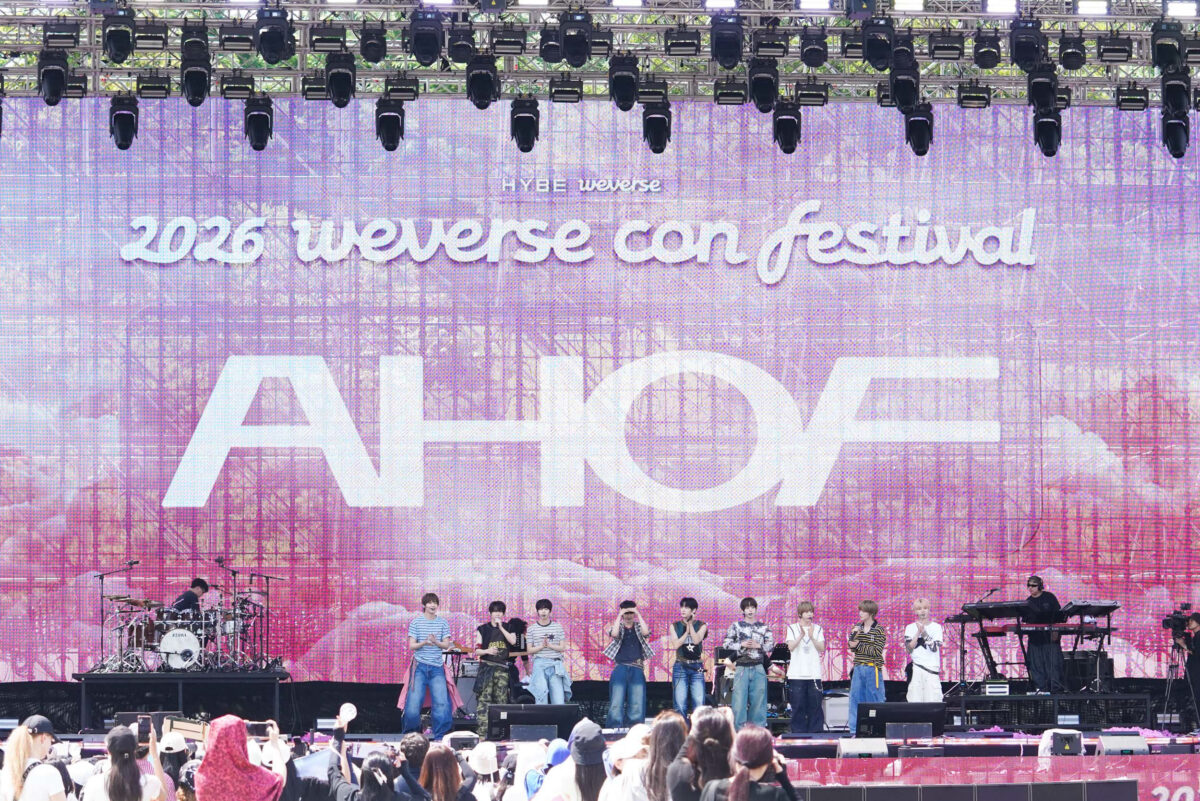
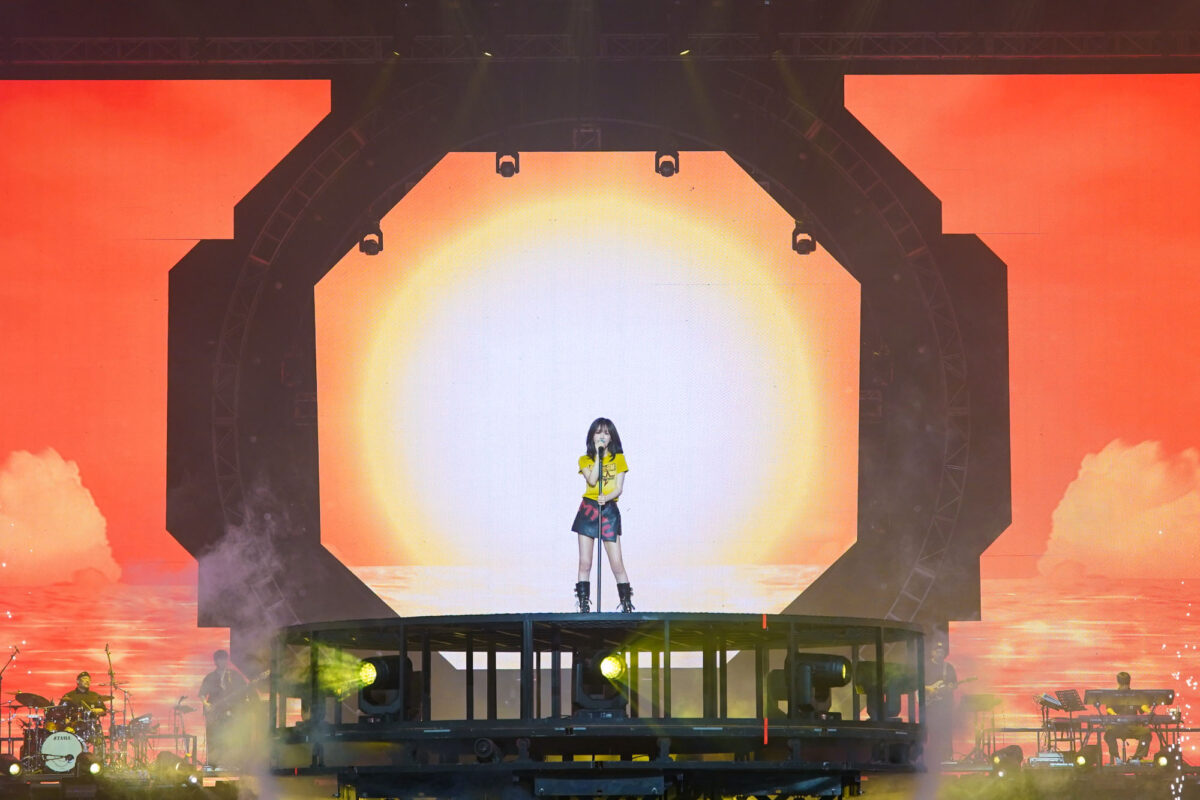
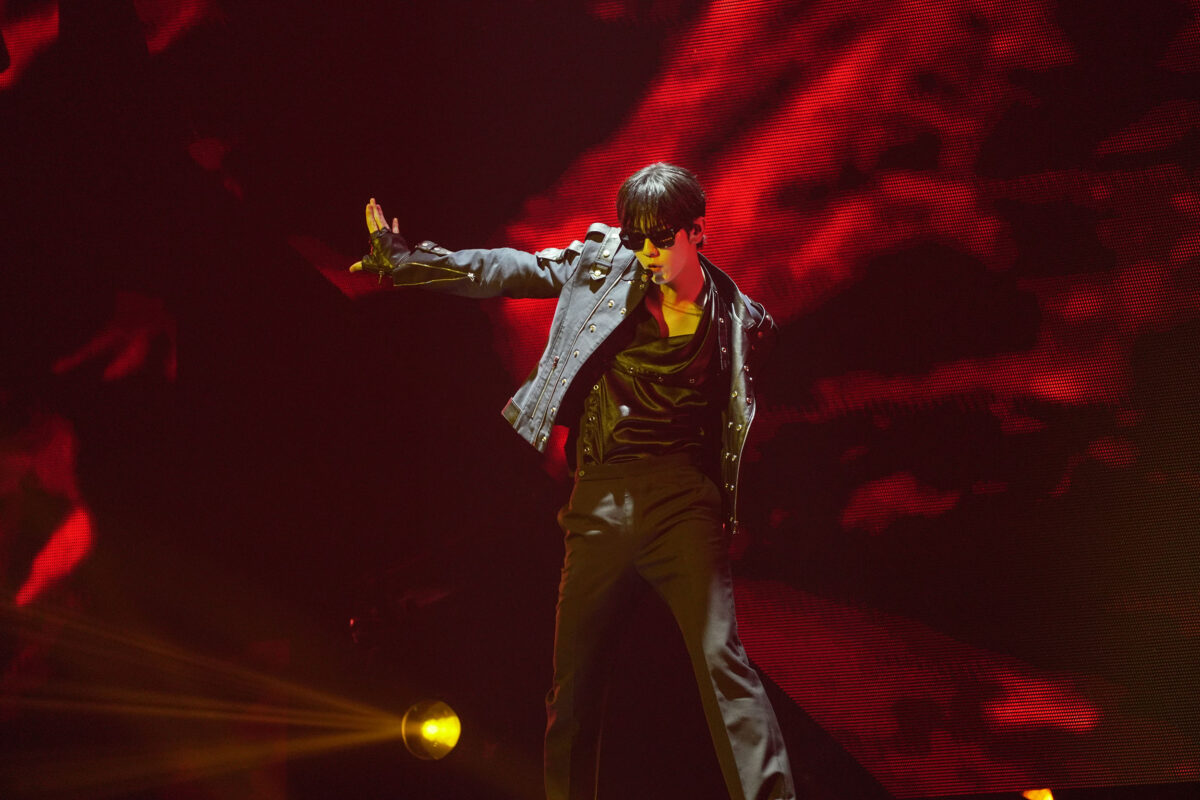
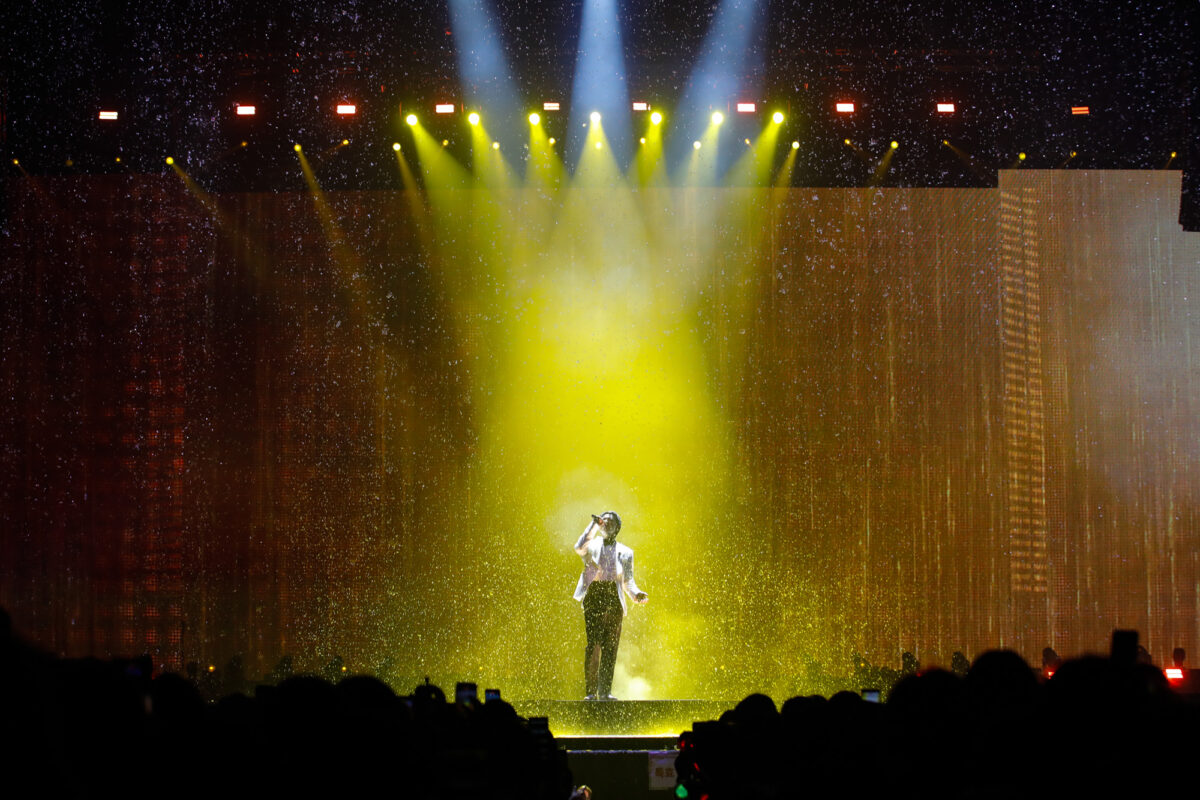
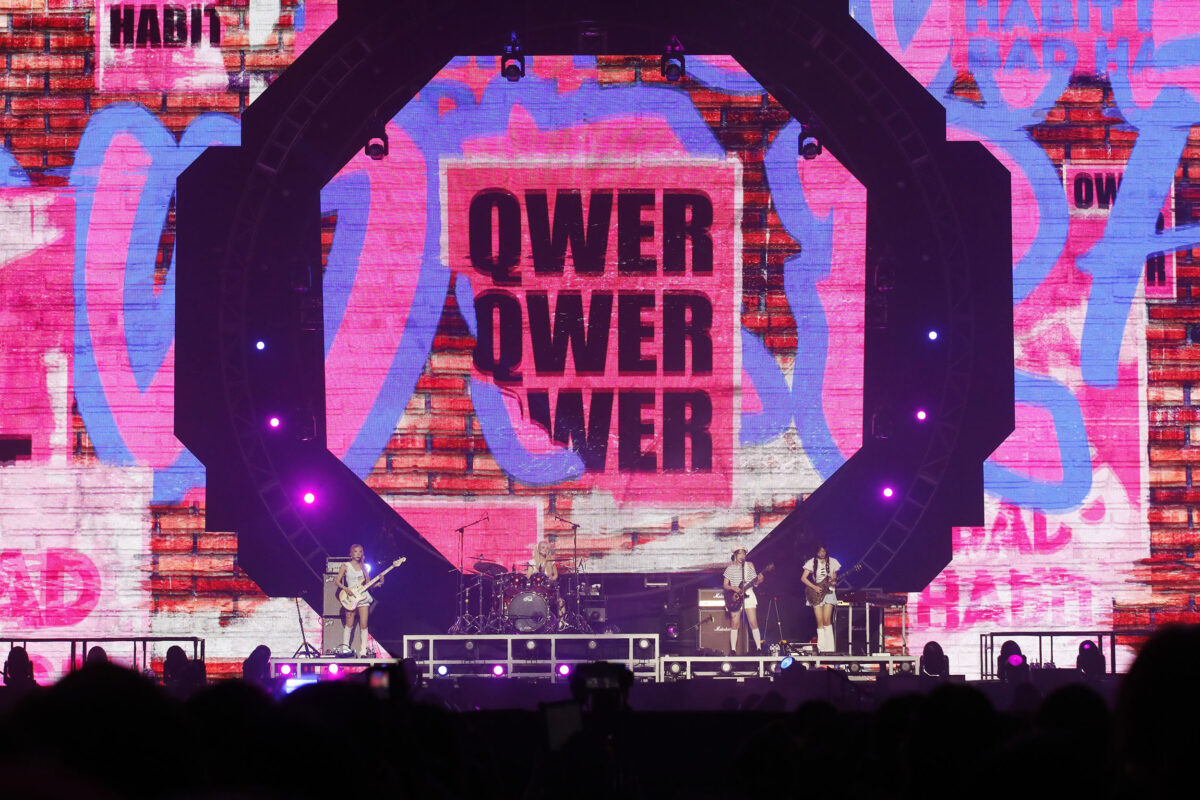
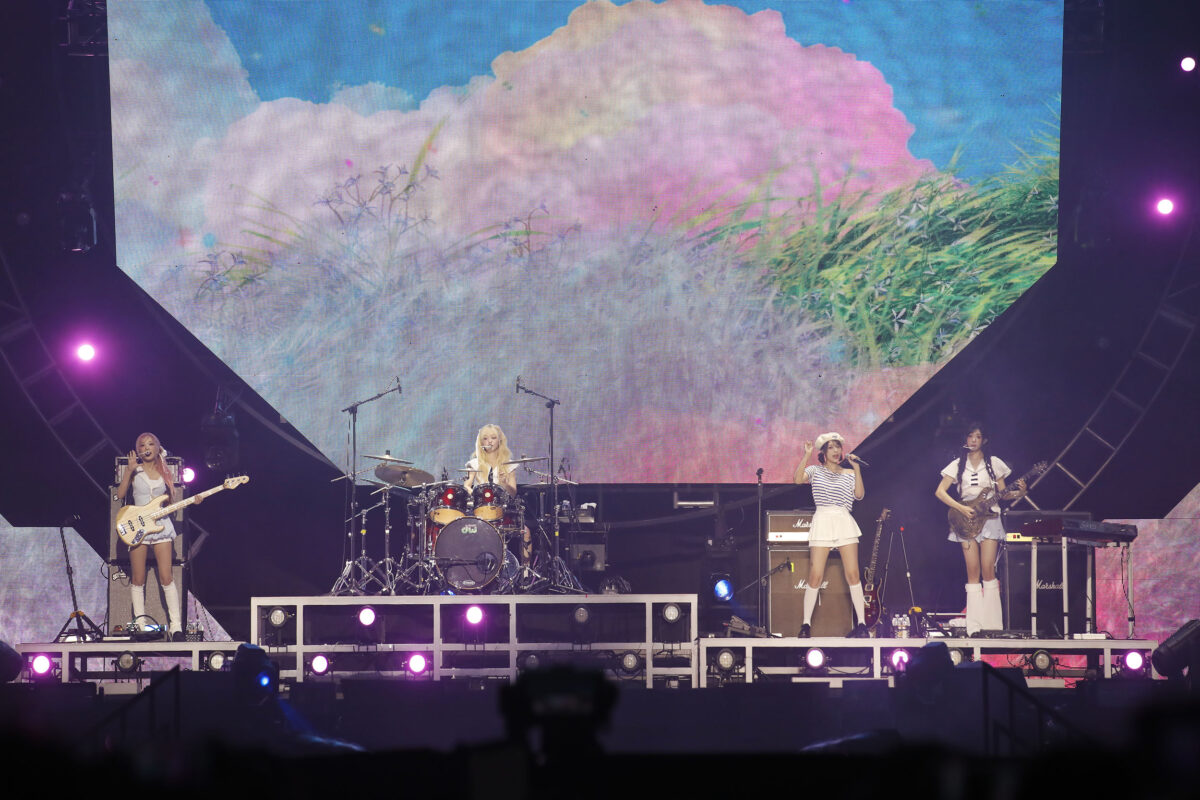
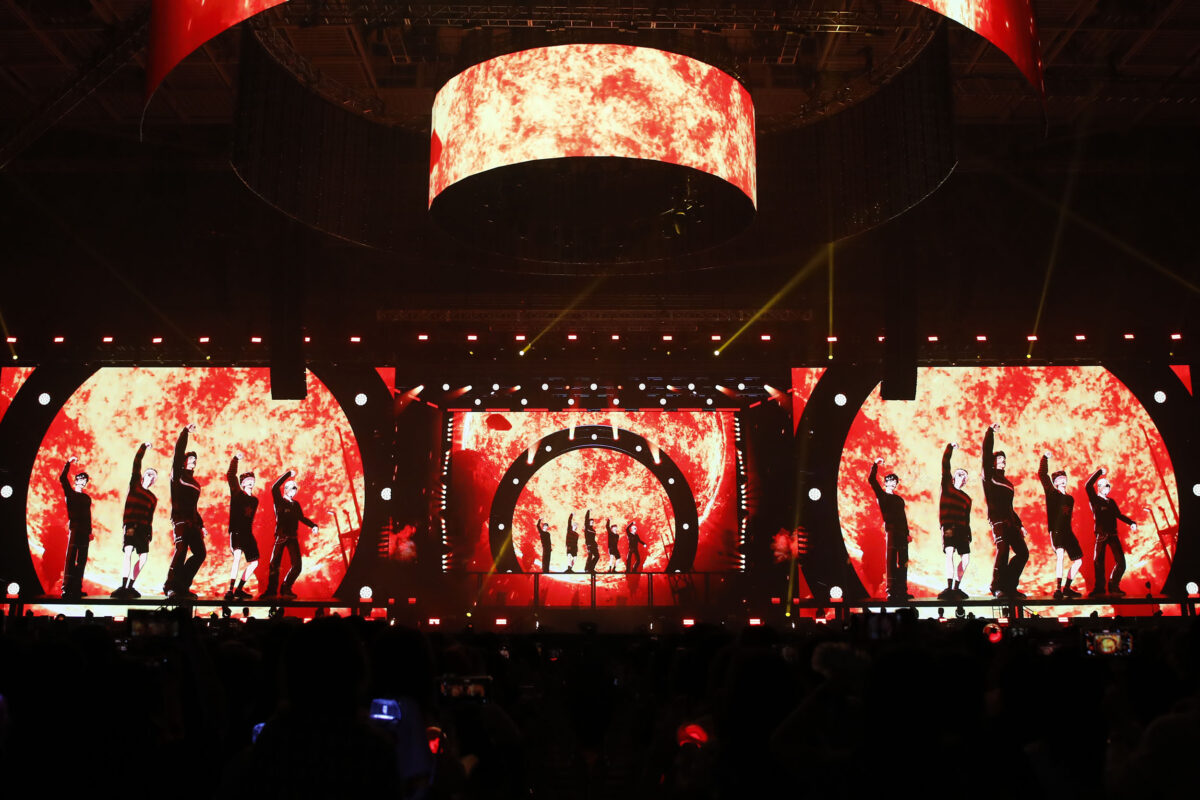
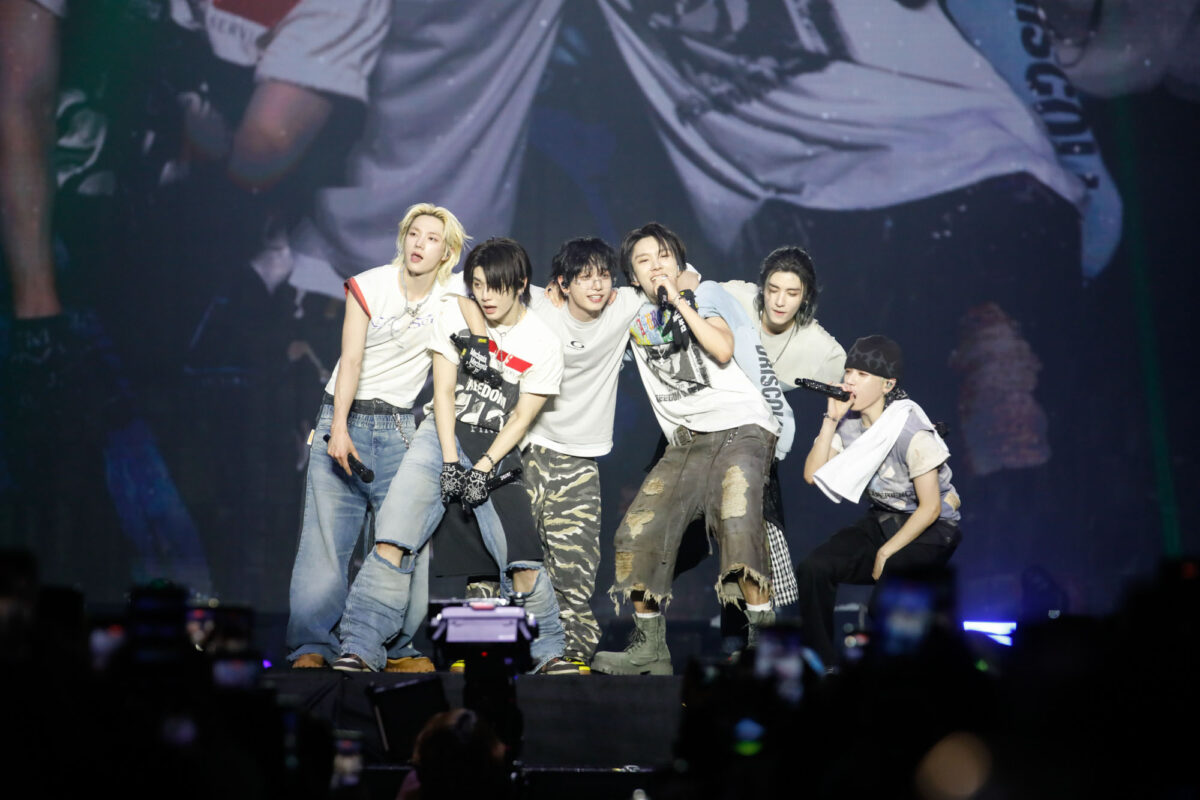
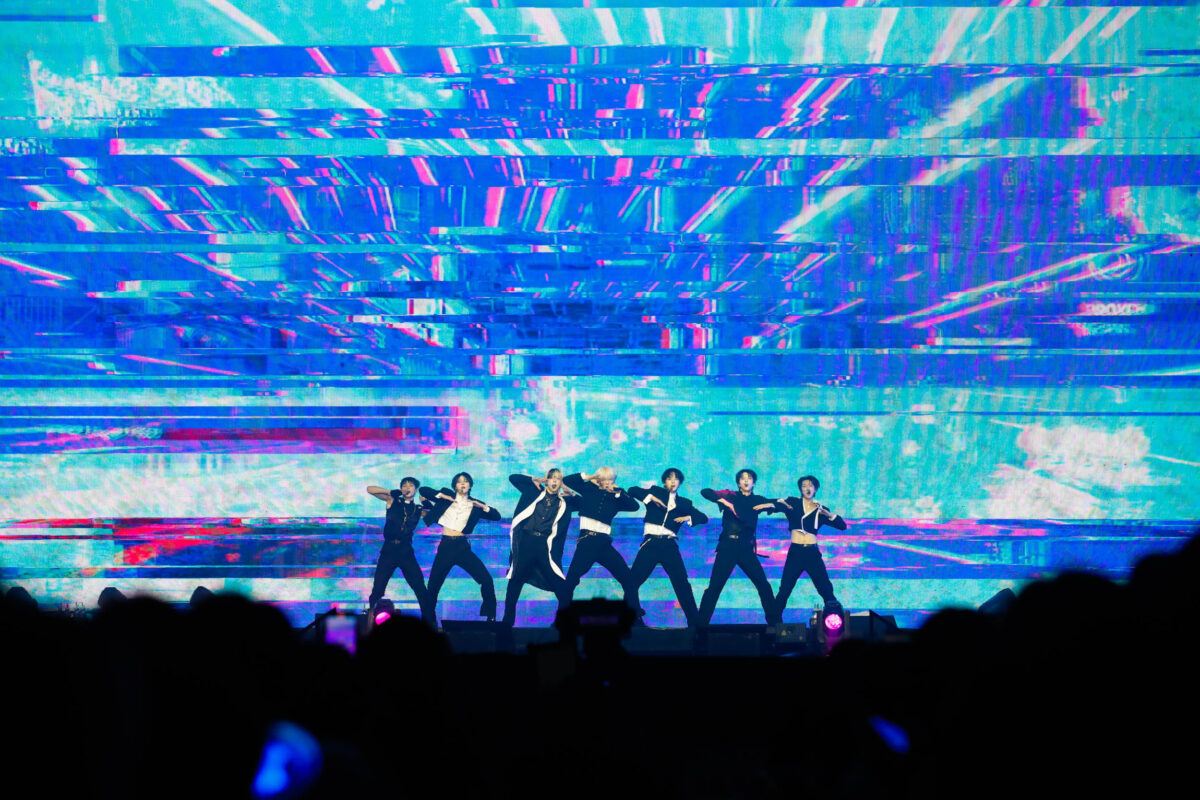
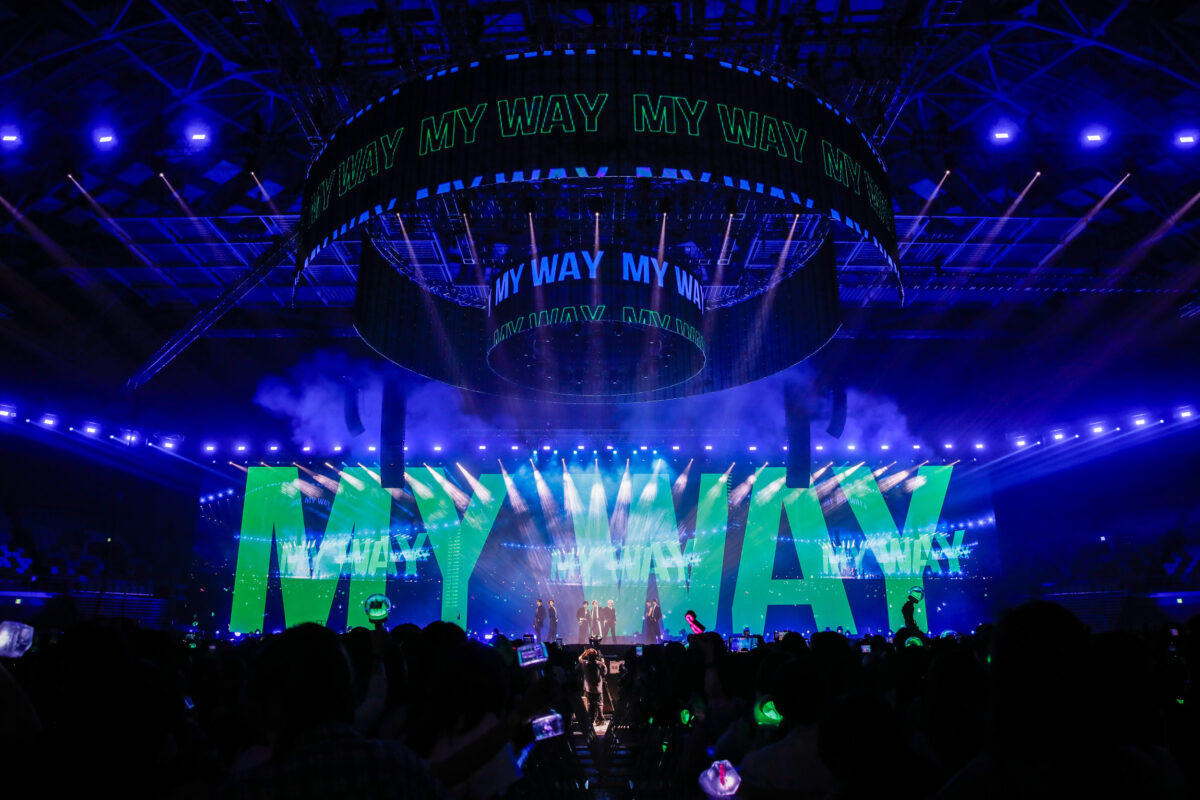
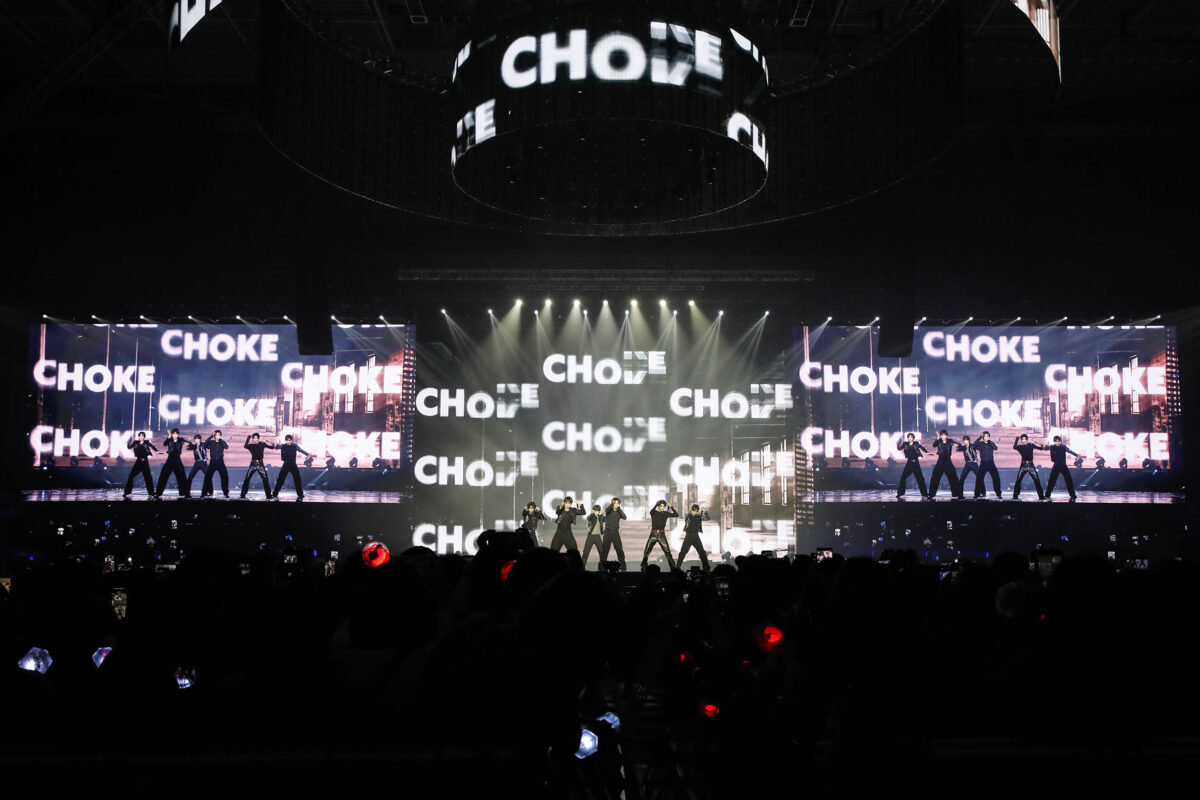
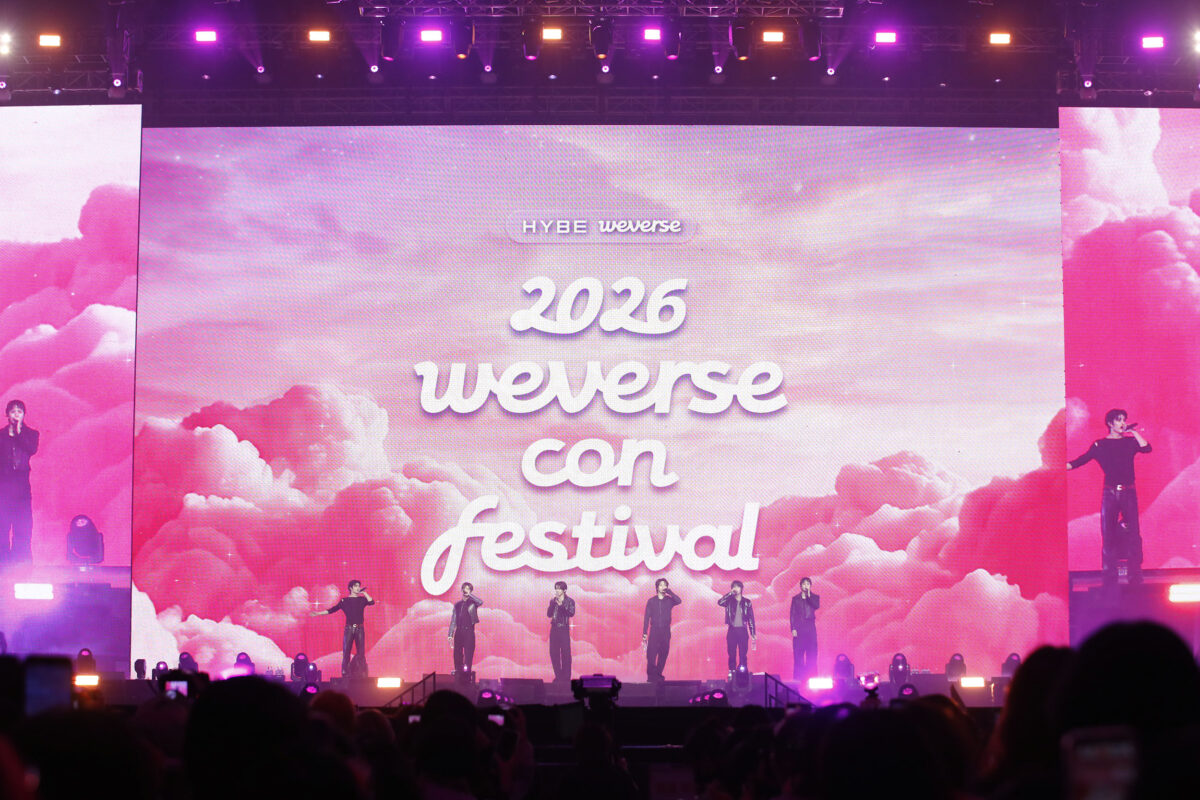
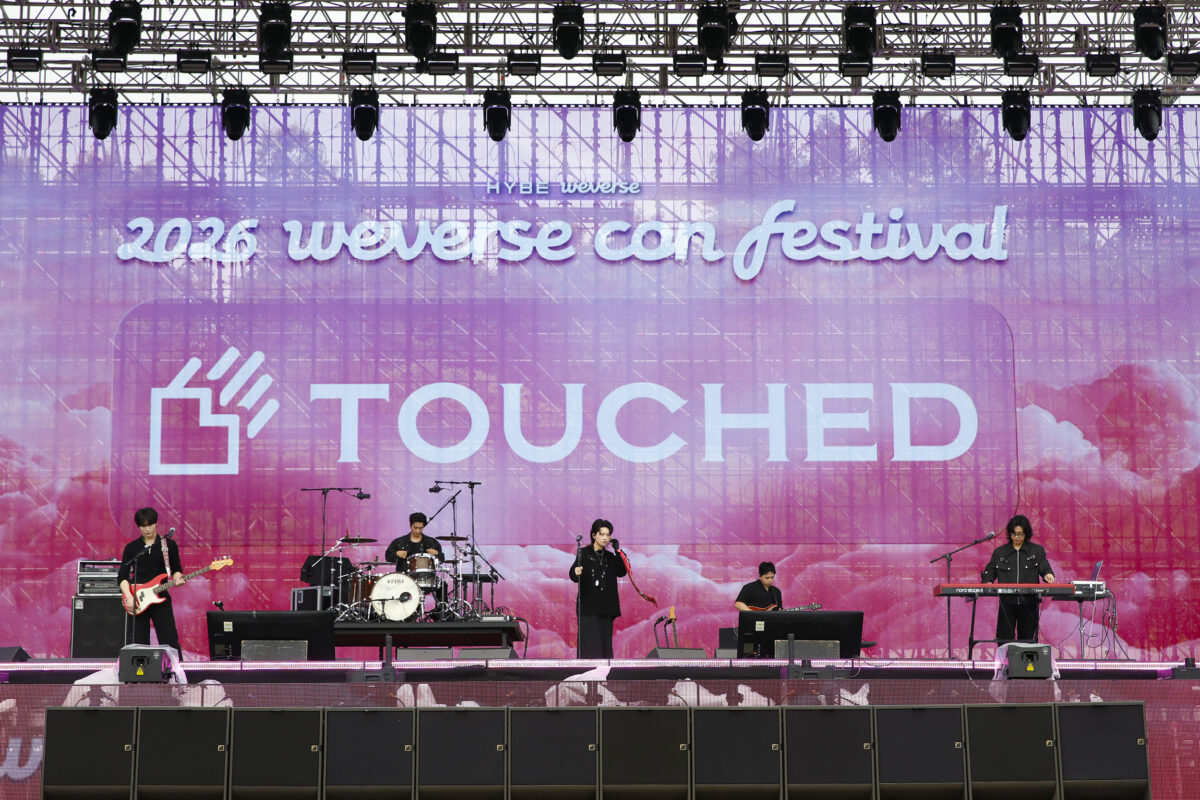
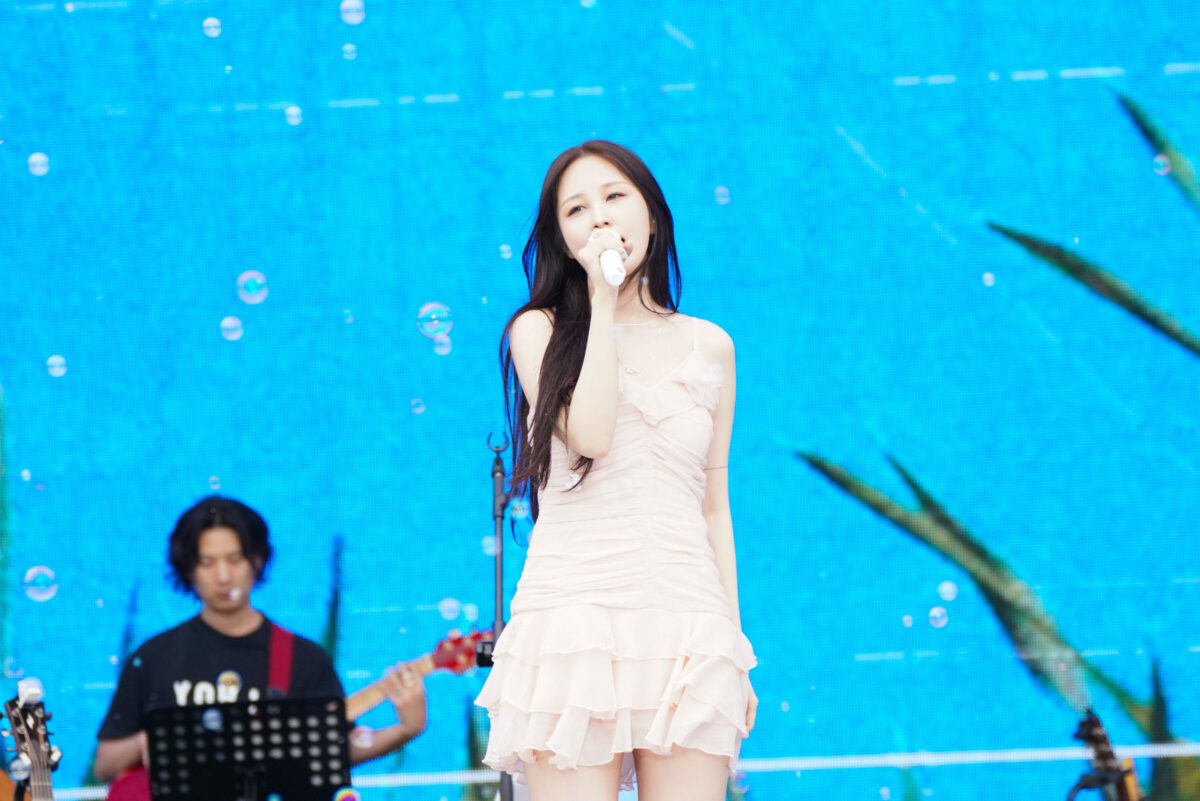
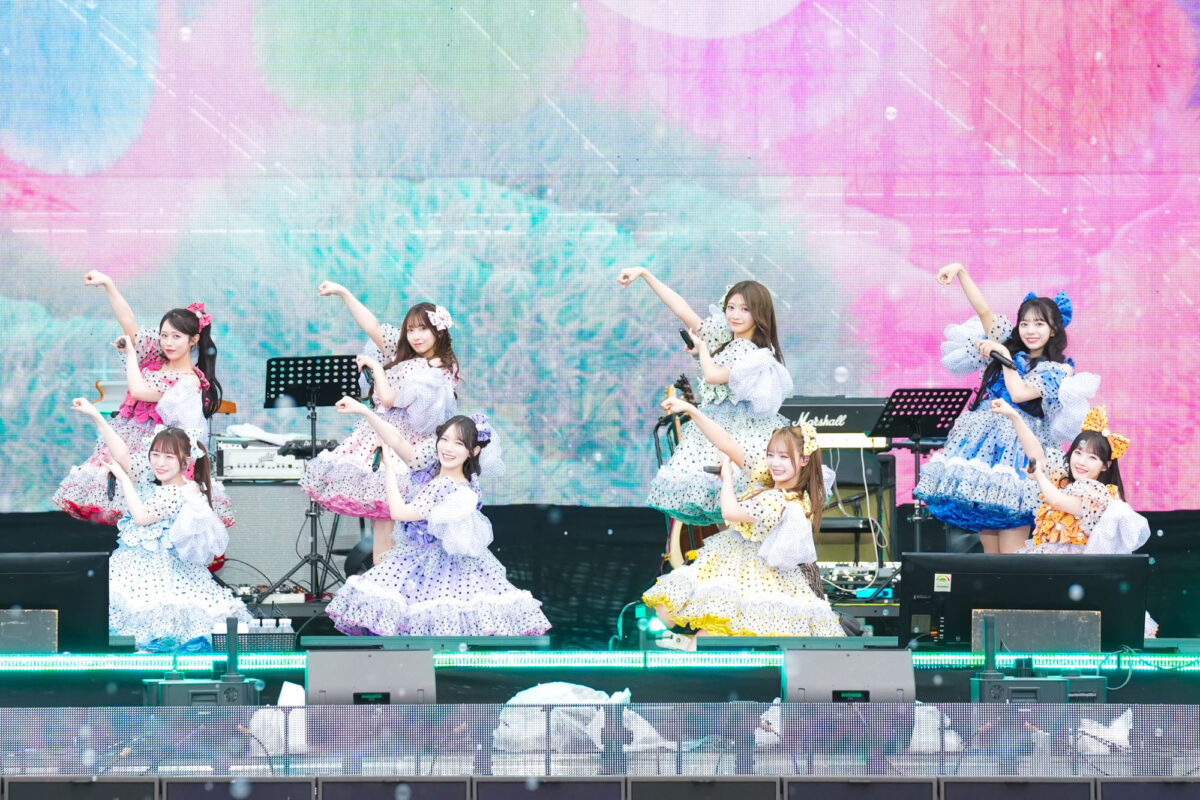
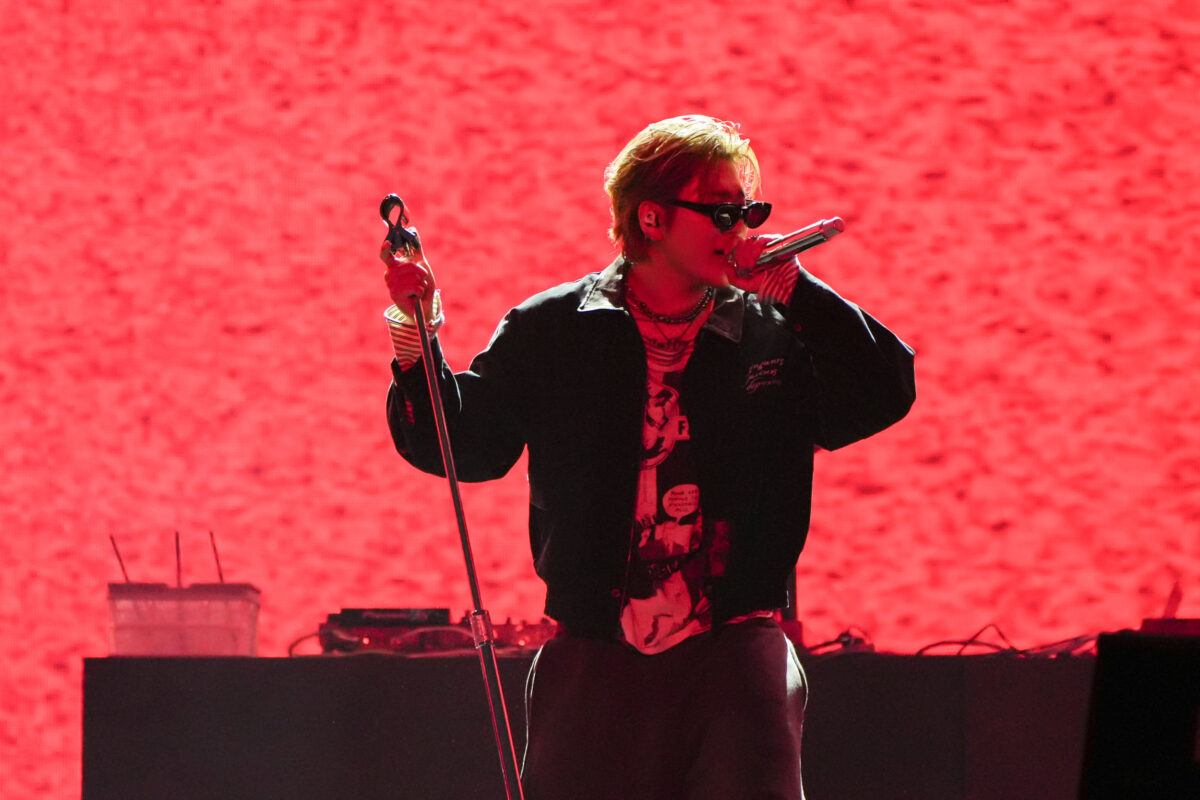
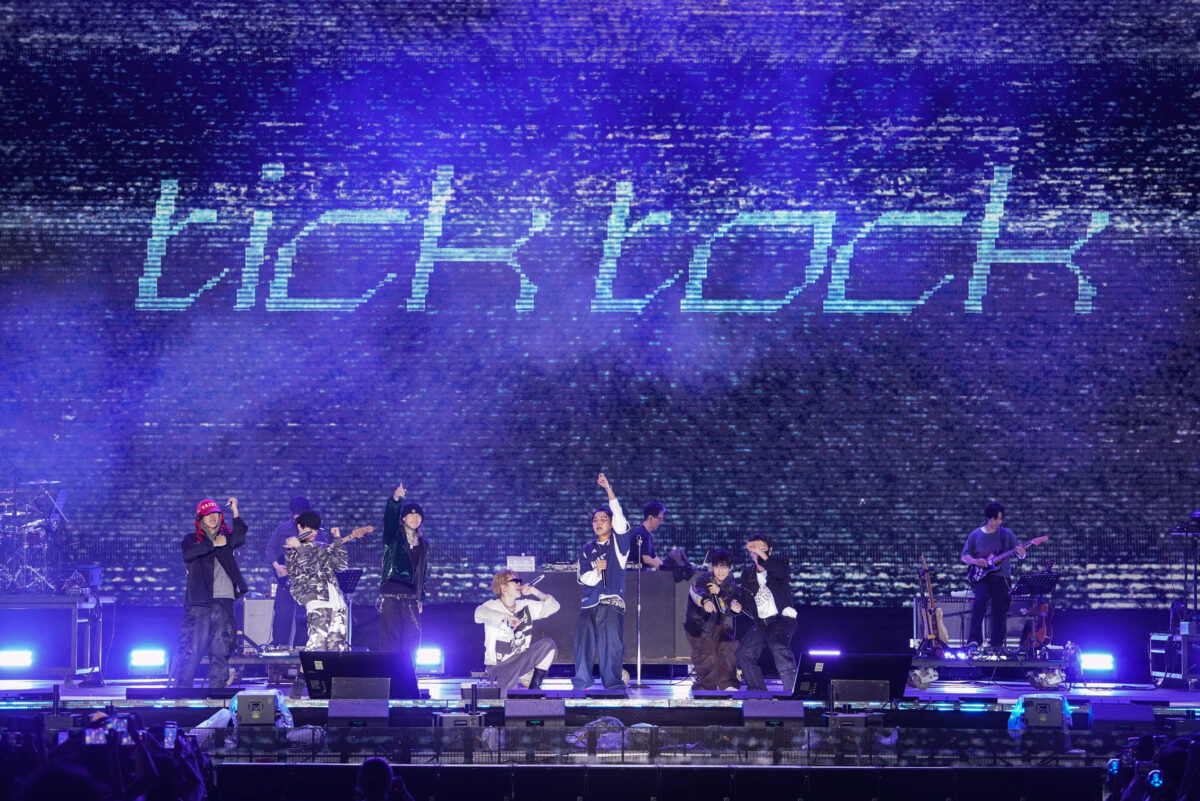
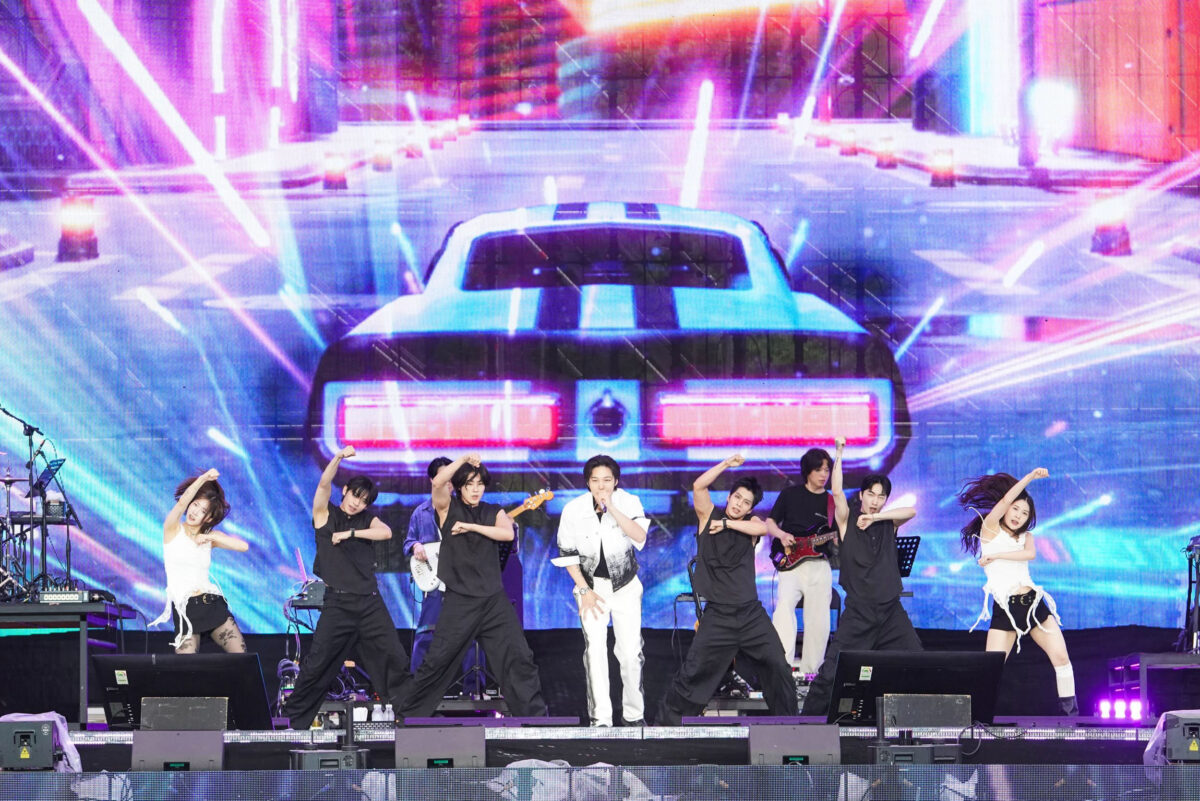
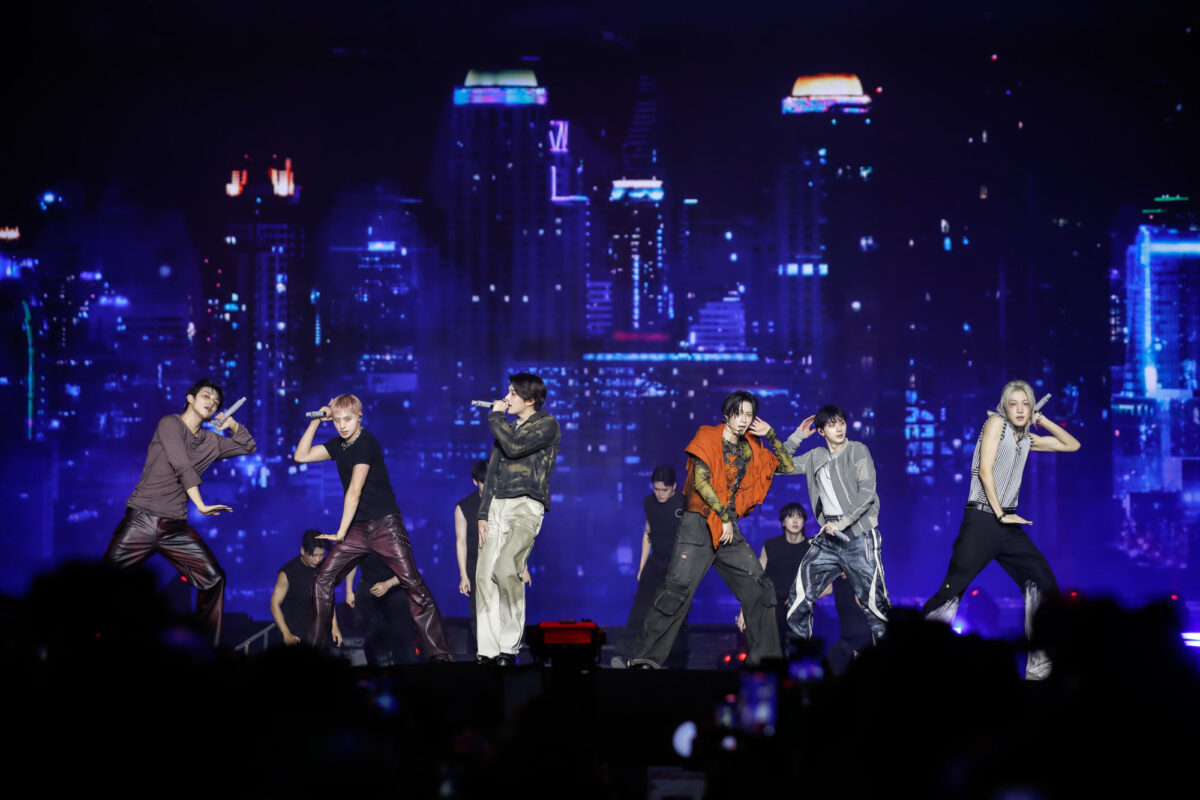
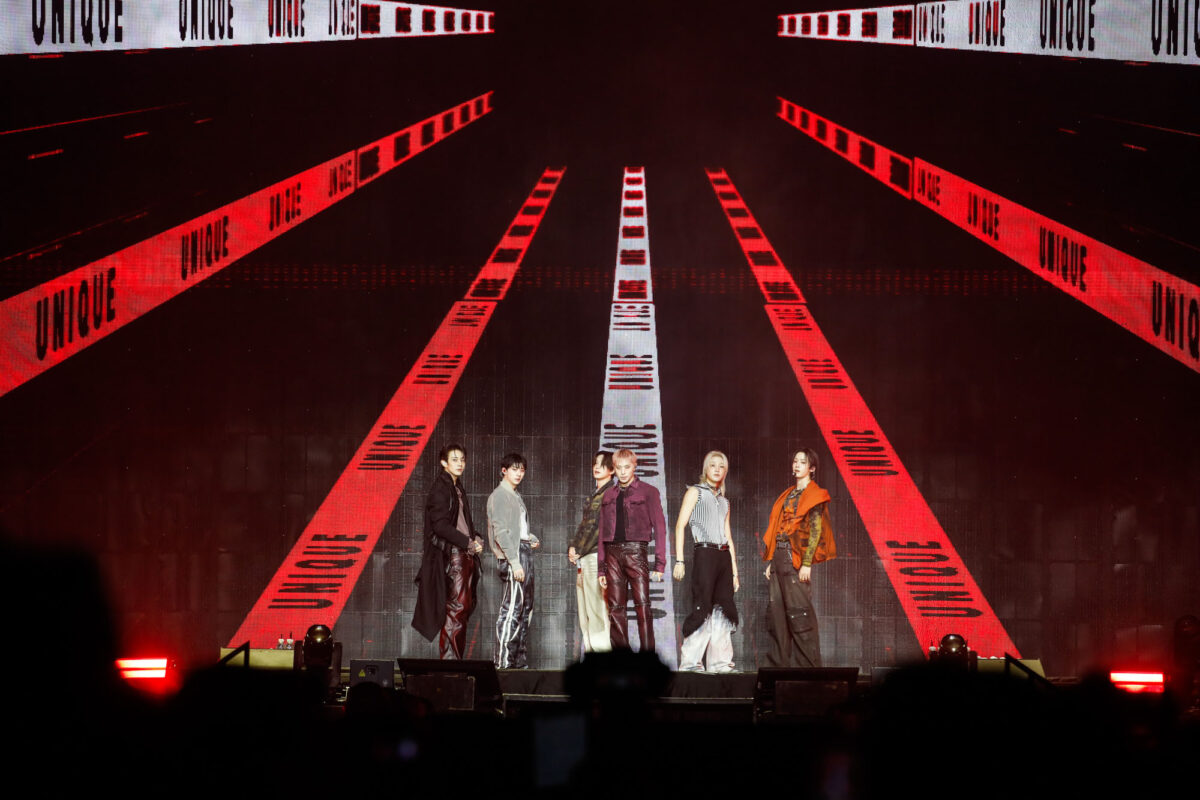
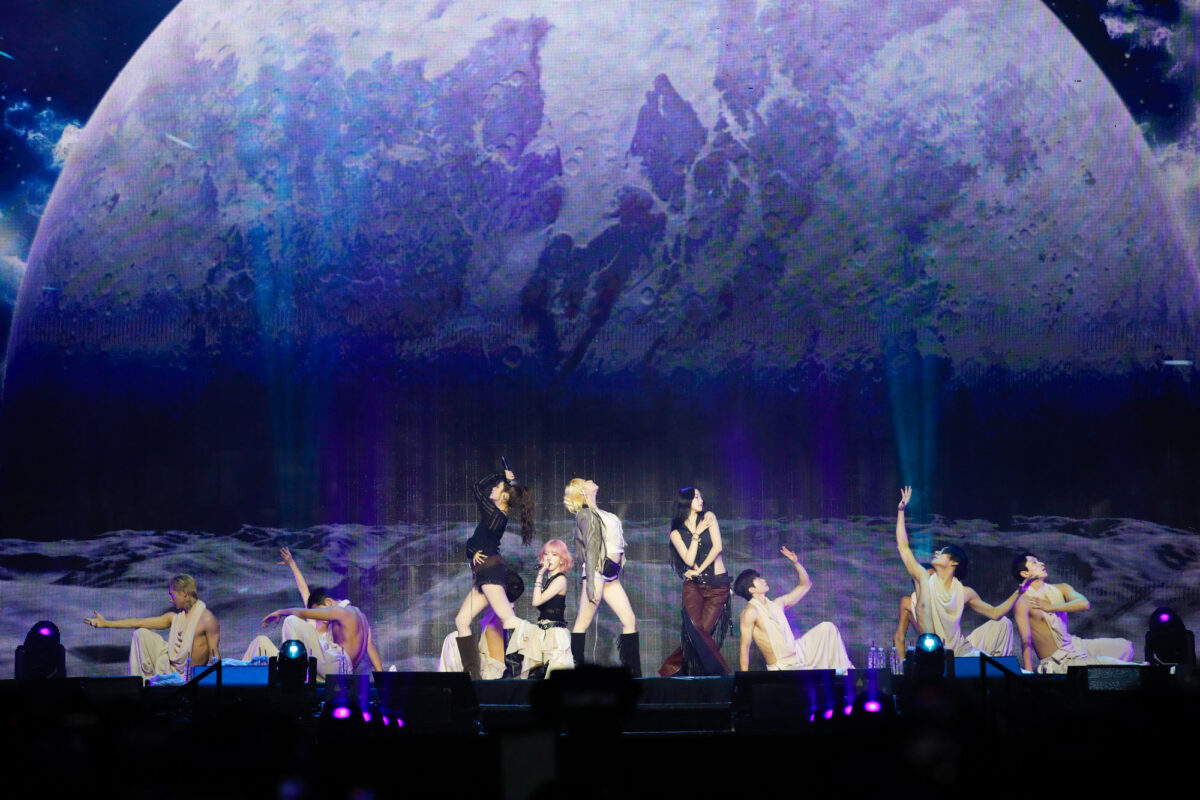
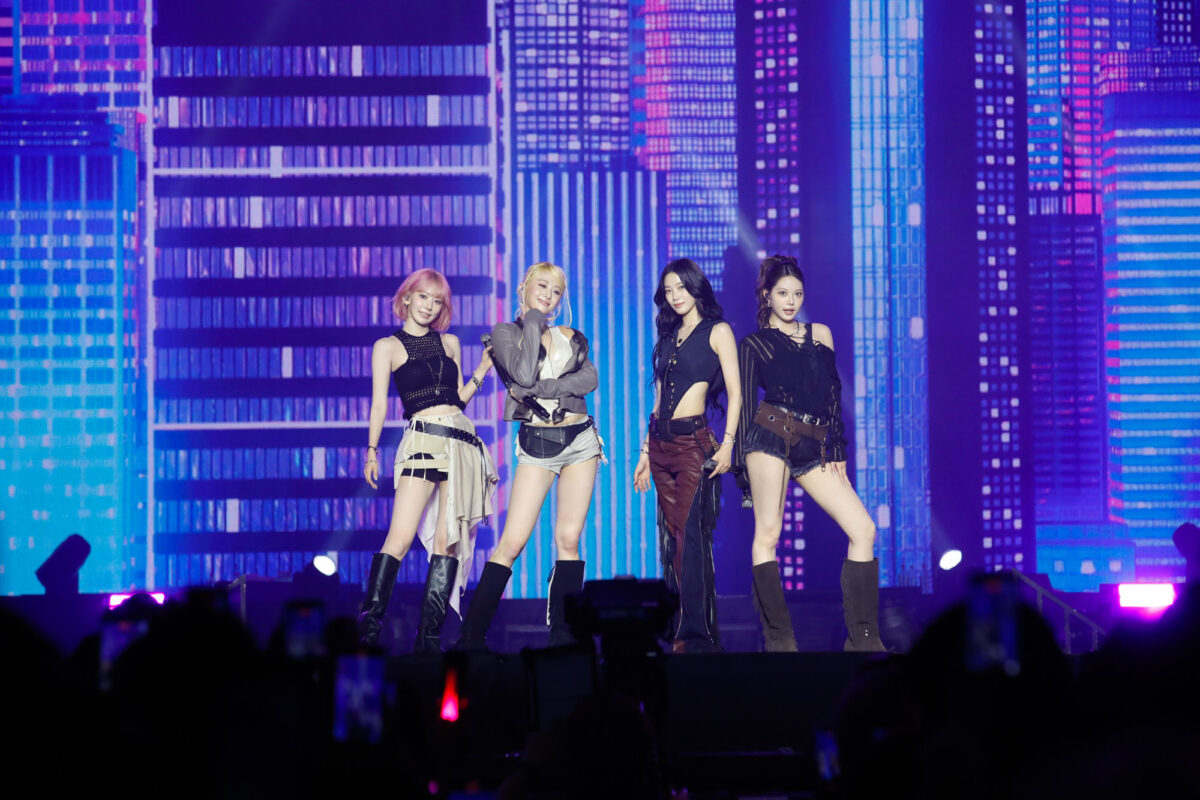
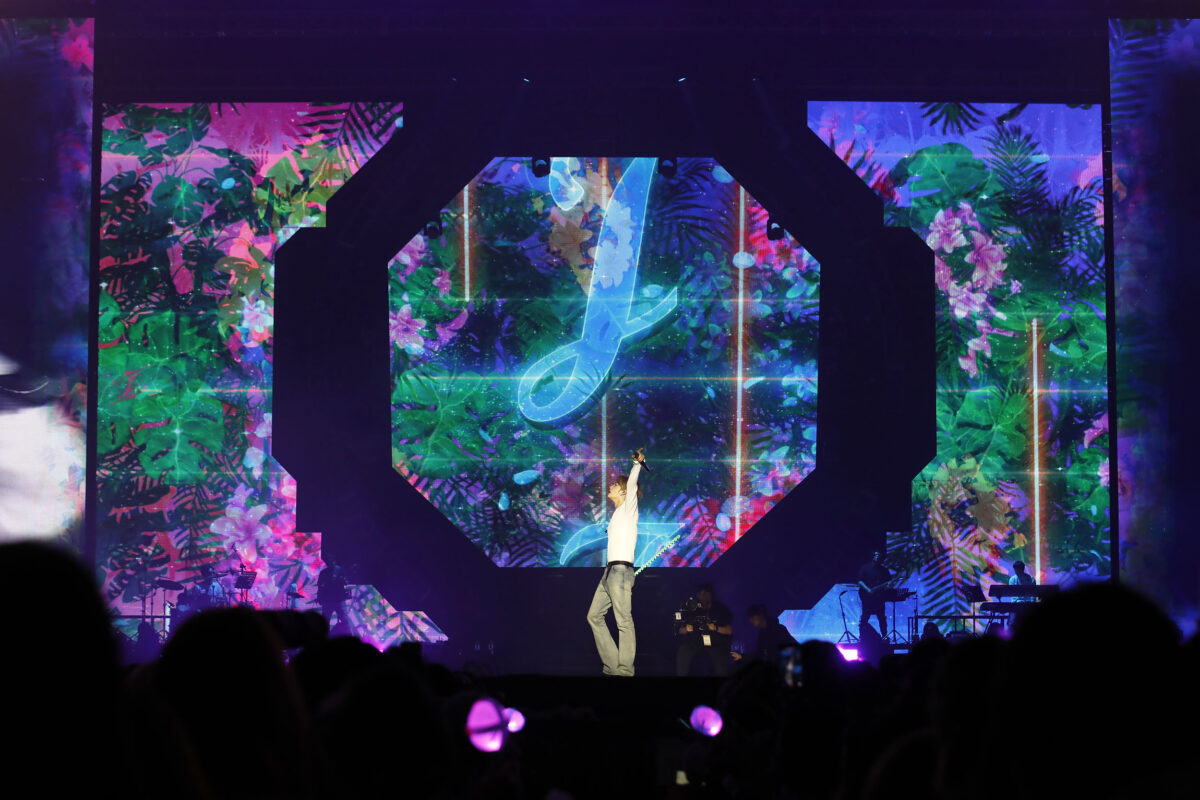
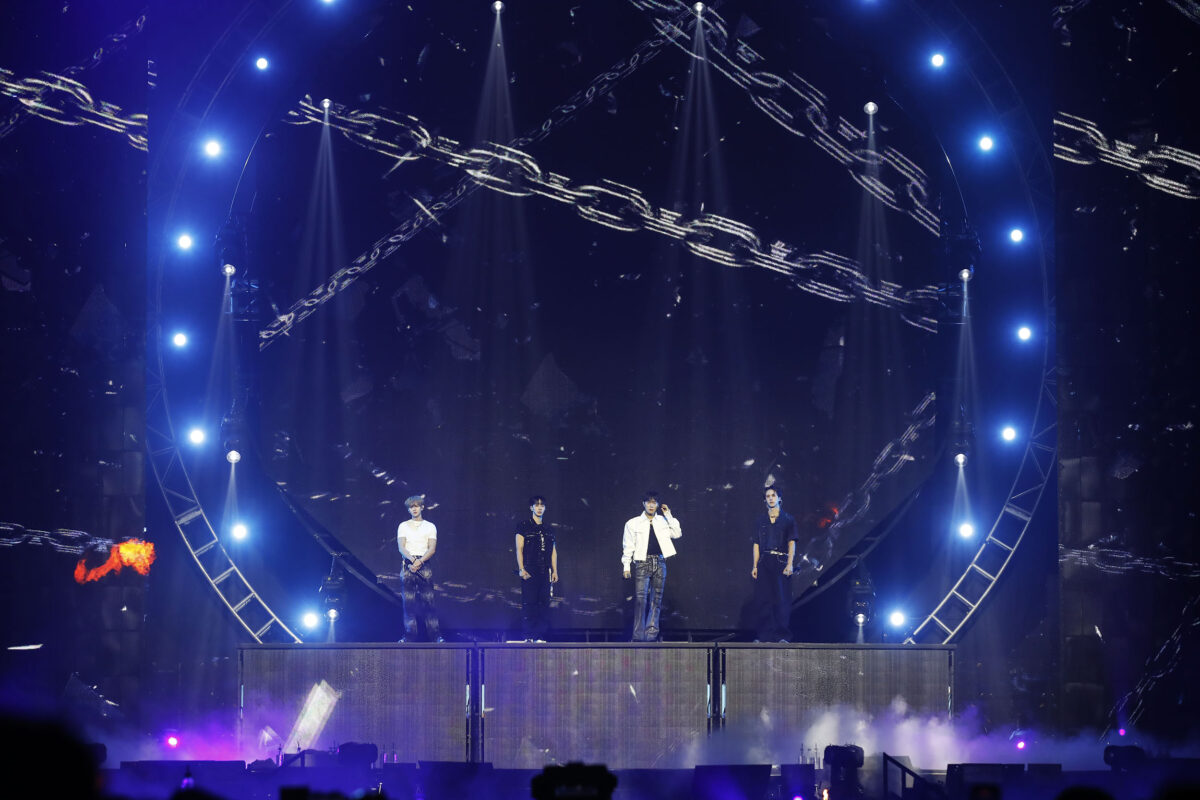
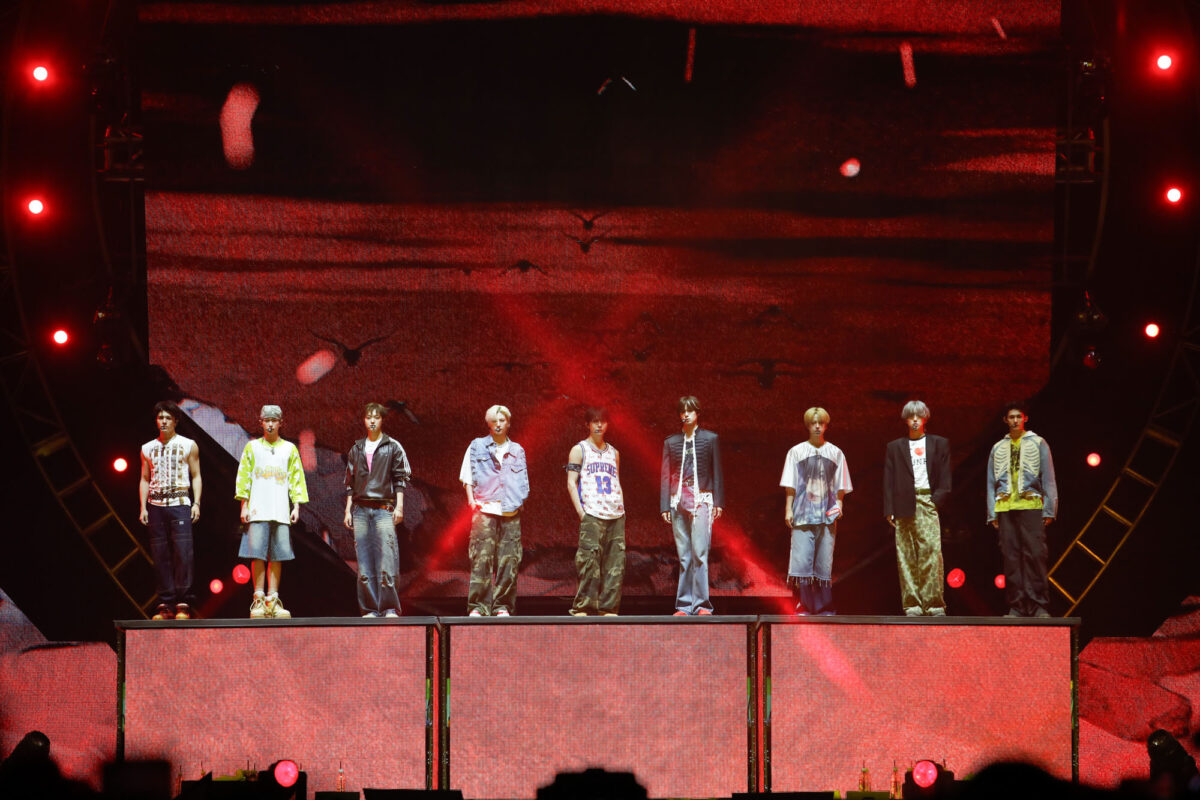
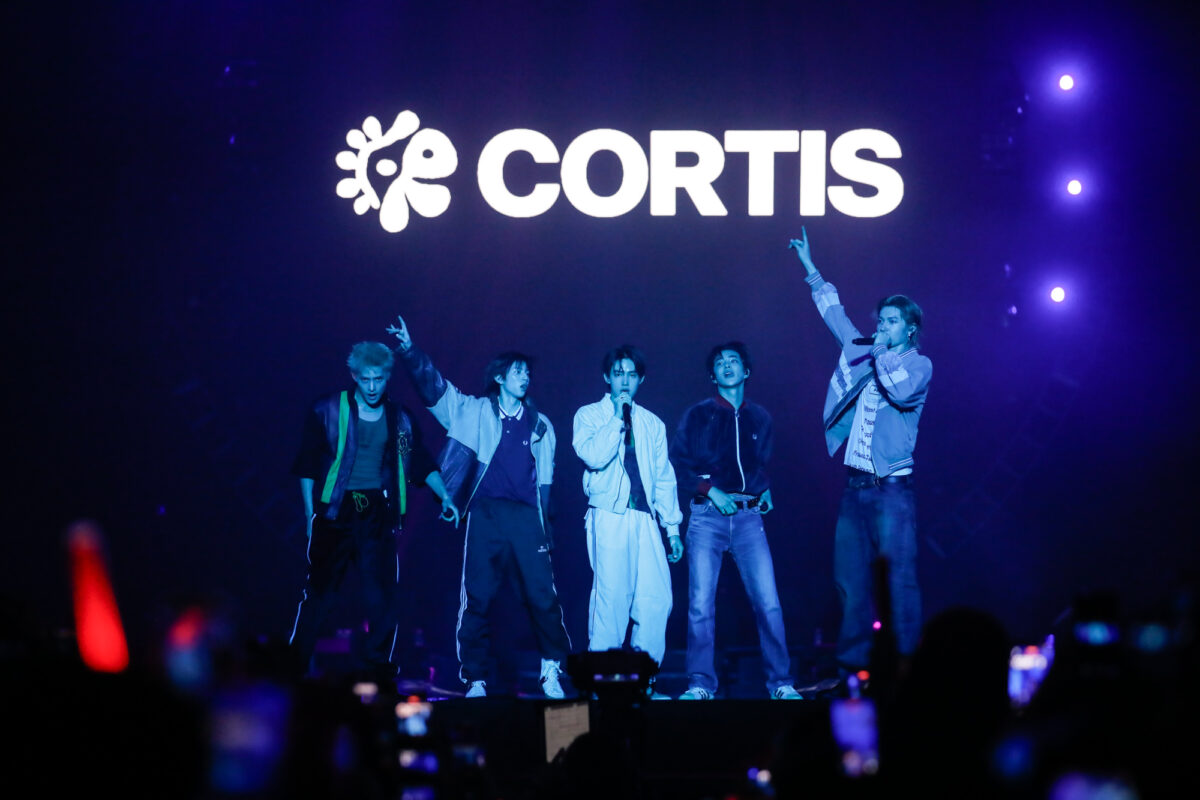
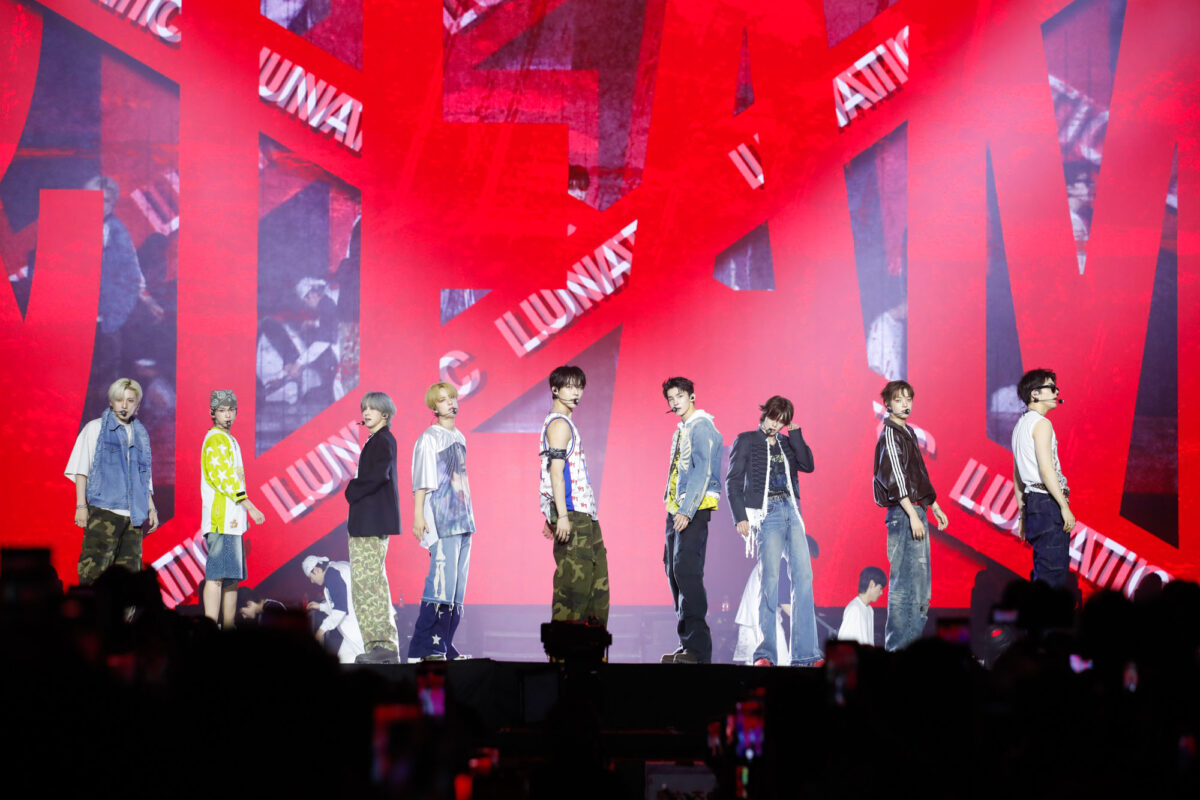
The 2026 lineup made one thing very clear: Weverse Con does not aim to represent only the most immediate present of K-pop, but one of its possible expansions. The stage welcomed new-generation idols, already established groups, soloists, bands, Japanese artists, virtual performers, and names capable of speaking to different audiences and different generations. Day one featured, among others, ENHYPEN, BOYNEXTDOOR, ILLIT, LUCY, Apink, QWER, PLAVE, Wendy, Hwang Min Hyun, and Soobin of TXT; day two brought to the stage LE SSERAFIM, TWS, &TEAM, HIGHLIGHT, Kim Jae Joong, Zico, P1Harmony, Kwon Jin Ah, Lee Changsub, Yoon San-ha, and many others.
This composition was not accidental. It was a statement. K-pop today can no longer be described as a closed genre defined only by flawless choreography, fan chants, and the idol system, because it has become a cultural platform capable of absorbing different languages: bands, digital pop, ballads, J-pop, hip hop, virtual idols, more traditional performance, rookie groups designed for the future, and legacy artists who carry memory and authority with them.
In this sense, Weverse Con 2026 did not simply gather 30 names. It gathered 30 possible trajectories of Korean and Asian popular music and attempted to tell them within a shared frame. And it is precisely that frame, even more than any single performance, that makes the festival culturally significant: this is no longer about showing who is on the charts today, but about building a map of what Korean pop has become and what it may become next.
Because within Weverse Con coexist the almost feverish excitement surrounding younger groups, the solidity of artists who have already built international fanbases, the emotional return of names that belong to K-pop’s memory, the curiosity toward hybrid formats and virtual artists, and an increasingly evident desire to speak to a global audience without losing the Korean center of the conversation.
Rain, Memory, and the Future Looking Back
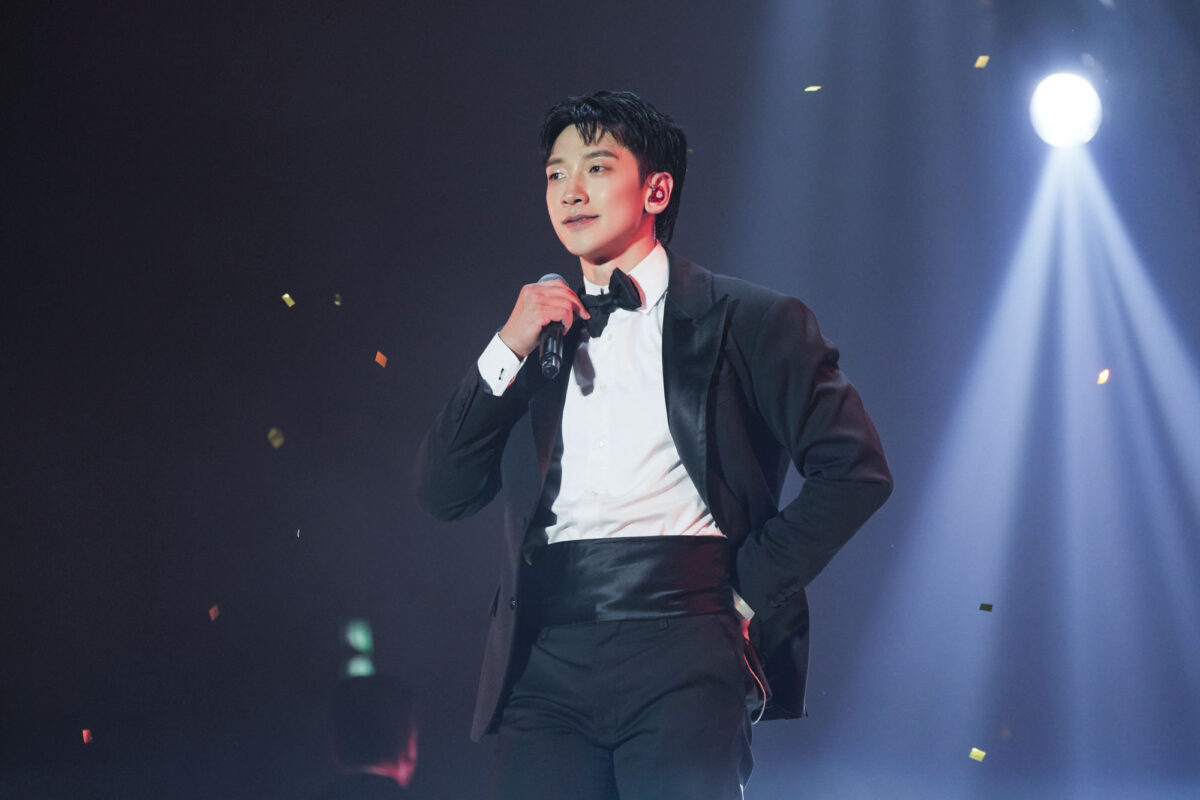
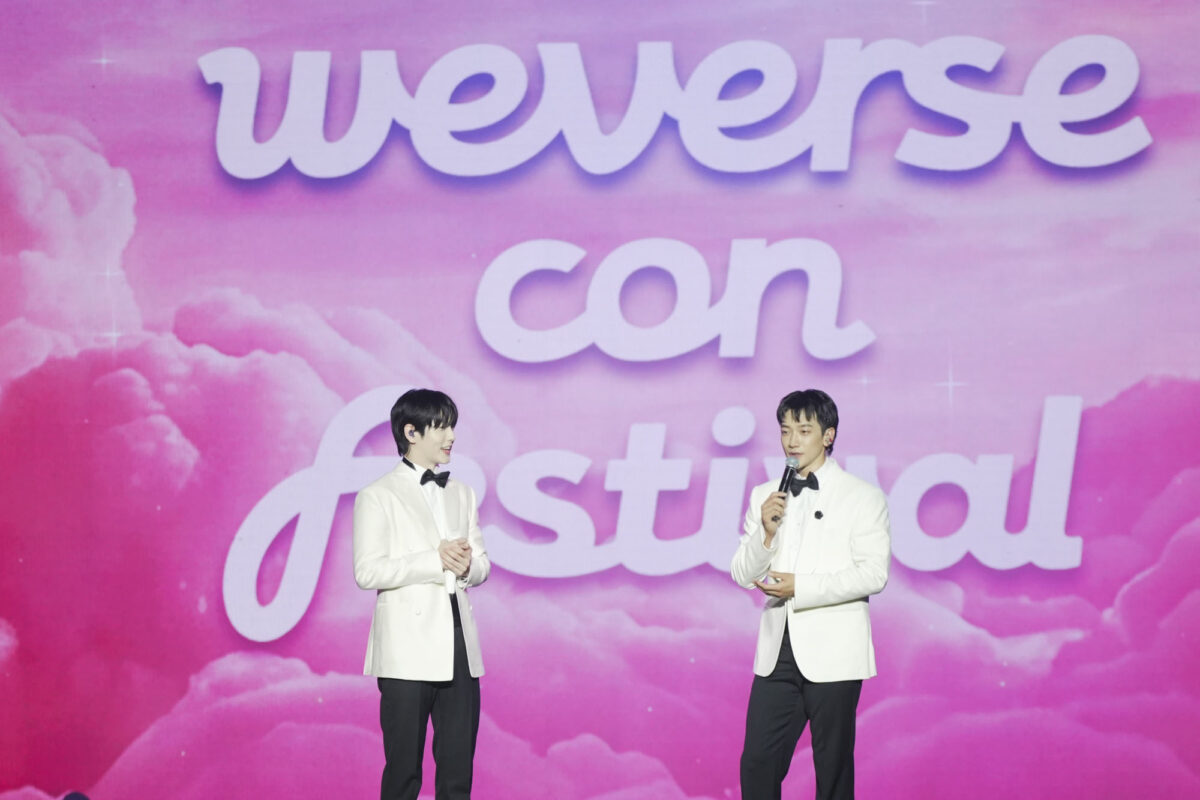
One of the most meaningful moments of the 2026 edition was the Tribute Stage dedicated to Rain, and here too it would be a mistake to read the tribute merely as a nostalgic interlude. Rain is not simply a superstar to be celebrated, but a key figure in the construction of Korean pop’s global imagination: performer, actor, icon, stage body, and the face of a Korea that, even before the definitive explosion of the Hallyu, was already trying to measure itself against the world.
Weverse Con’s Tribute Stage has a precise curatorial value. Each year, it chooses a figure who has shaped the history of Korean popular music and places that legacy back into circulation through the generations that followed. Before Rain, the festival had already celebrated artists such as Shin Hae-chul, Seo Taiji, Uhm Jung-hwa, Park Jin-young, and BoA, building a kind of live archive of contemporary Korean music. Not a museum, however, because a museum preserves; here, memory is reinterpreted, performed, and staged again before an audience that often discovers the past through the present.
This is one of the festival’s most intelligent moves. Weverse Con does not sell only the future, but continuity. It does not tell fans that K-pop was born yesterday with the most viral group of the moment, but suggests, without weighing down the narrative, that every contemporary performance rests on a history made of pioneers, transitions, attempts, turning points, contaminations, failures, and victories. Rain, in this sense, is a perfect symbol: he belongs to an era when K-pop’s globalization was still a promise and, at the same time, anticipates many of the features we now take for granted, from the centrality of performance to the construction of the total performer.
In a festival constantly looking toward tomorrow, the Tribute Stage becomes the point where the future allows itself the luxury of looking back. And it does so not out of nostalgia, but out of legitimacy.
From Online Concert to Global Festival: The History of Weverse Con
To understand what Weverse Con became in 2026, one must go back to the beginning, when its form was not yet that of an urban festival, but of an event created in the midst of live music’s digital transformation. Its genealogy begins with the 2021 New Year’s Eve Live presented by Weverse, held on December 31, 2020, as an online live-streaming event, at a time when the global music industry was still grappling with the crisis of live performance and the need to reinvent the relationship between stage and audience.
Then came 2022 Weverse Con [New Era], held on December 31, 2021, at KINTEX Hall 4, and the title already said a great deal: “New Era,” a new era not only for the festival, but for the very idea of a K-pop concert, now called to exist simultaneously in person and online, before both a local and a global audience, inside an arena and inside a platform.
The decisive leap came in 2023, when the format became Weverse Con Festival and moved to KSPO DOME and 88 Lawn Field, creating the dual identity that still defines it today: on one side the concert, on the other the festival; on one side indoor production, on the other the outdoor experience. In 2024 and 2025, the event moved to INSPIRE Entertainment Resort, strengthening its spectacular and international dimension, before returning in 2026 to Olympic Park, a space that holds enormous symbolic value in the geography of Korean live music.
This return matters because it shifts the center of gravity back into Seoul. No longer only a major event to be reached, but a presence crossing one of Korea’s most iconic places for music and sport, turning Olympic Park into a laboratory of global pop culture. It is as if Weverse Con, after experimenting with the resort format, chose to re-enter the city in order to declare something both simple and ambitious: the future of fandom is not separate from urban life, but is becoming one of its most recognizable forms.
Weverse, the Super App of Fandom
The festival cannot be separated from the platform that gives it its name. Launched in 2019, Weverse has become one of the most important infrastructures of the global fan economy, because it has concentrated in a single environment functions that were once scattered across different spaces: direct communication between artists and fans, live streaming, communities, exclusive content, memberships, commerce, fan letters, DMs, merchandise sales, and services connected to events.
Its strength lies precisely in this continuity. Fans do not come into contact with artists only when an album is released or when they buy a ticket, but live within a relationship distributed over time, made of small daily signals, messages, live broadcasts, updates, content, and digital rituals. It is a relationship with an obvious emotional dimension, but also with a highly sophisticated industrial structure, because it allows companies to understand audiences, activate them, retain them, and transform emotional attachment into an economic chain.
Weverse Con is the moment in which this architecture becomes visible. During the festival, the platform is no longer just an app to open, but a cultural environment to inhabit. Those who are there are not merely attending a concert: they are entering the physical version of an ecosystem that exists digitally throughout the year. And those watching online are not simply remote viewers, but part of a community that extends beyond the geographical boundaries of the event.
This is where HYBE reveals one of its strongest intuitions of recent years: in contemporary pop, value no longer lies only in the song or the artist, but in the continuous relationship built around them. Music remains the emotional center, but around it stands a system made of data, communities, content, experiences, products, subscriptions, festivals, and belonging.
The Fandom Economy as Soft Power
To describe Weverse Con only as a music event would be to miss its more political dimension, in the cultural sense of the word. The festival is also a piece of Korean soft power, but of an evolved kind: less institutional and more infrastructural, less tied to the simple export of content and closer to the construction of new models of cultural relationship.
For years, we have told the story of the Korean Wave through its products: K-pop, K-dramas, K-beauty, cinema, food, fashion. Today, however, Korea is also exporting systems. Not only songs, but platforms; not only idols, but models of fandom; not only concerts, but integrated experiences; not only content, but transnational communities organized around a shared imagination.
Weverse Con 2026 demonstrates exactly this. Korea is no longer merely bringing artists to the world: it is bringing the world into its own cultural architecture, where the Italian, Japanese, American, Thai, French, or Korean fan participates in the same ecosystem, uses the same codes, recognizes the same rituals, and contributes to the same narrative. It is a very different form of globalization from the traditional one, because it does not erase Korean identity, but makes it accessible, desirable, and inhabitable.
In this sense, the festival tells the story of a mature phase of the Hallyu. No longer the wave that surprises the world by arriving from afar, but an organized, conscious, technological tide, capable of moving between industry and emotion, between platforms and stages, between Seoul and the rest of the planet.
The Future of K-pop Is Not Only in the Groups
The true message of the 2026 Weverse Con Festival is that the future of K-pop does not lie only in the groups, however much the groups remain its brightest and most immediate face. The future lies in the infrastructures around them, in the physical and digital places where the relationship with fans is cultivated, expanded, monetized, and transformed into experience.
This is the great difference compared with many other music industries. K-pop has not built only stars, but environments. It has turned the comeback into an emotional calendar, the light stick into an object of identity, the fan chant into performative participation, the membership into belonging, the merchandise into language, the concert into ritual, and the platform into home. Weverse Con is the sum of all this, compressed into two days of music and expanded into a story that begins long before the event and continues long after it ends.
And perhaps this is why, standing there among thousands of people who had come for different artists but were united by the same cultural grammar, the feeling was not simply that of watching a sequence of performances. It was rather the sensation of seeing K-pop at the exact moment when it stops being only entertainment and becomes a global emotional infrastructure.
If the theme of the year was Newtopia, then its utopia was not so much about imagining a perfect future, but about revealing a present that has already changed. A present in which a platform can become a festival, a festival can become a city, a city can become a community, and a community can become one of the most powerful cultural forces of our time.
For two days in Seoul, Weverse Con 2026 gave physical form to all of this. And the result was not only an audience record, but a remarkably clear snapshot of the new power of Korean pop: no longer merely making the world listen to a song, but convincing the world to step inside its universe.