
At a time marked by geopolitical fractures and technological competition, culture has re-emerged as a structural instrument of national power. No longer an ornament, no longer merely a promotional tool, but a strategic infrastructure capable of shaping alliances, influencing perceptions, and directing economic and tourism flows. Within this landscape, the axis between Italy and South Korea is steadily consolidating as one of the most compelling and forward-looking cultural dialogues between Europe and Asia.
Italy remains one of the world’s foremost expressions of historical and artistic heritage: a stratified civilization whose legacy coincides with the very memory of the West. South Korea, by contrast, is often portrayed as the emblem of contemporary Asia — dynamic, technologically advanced, and capable of transforming music, audiovisual production, aesthetics, and lifestyle into a powerful global soft power platform. Yet this apparent opposition is misleading. Both countries share a long and complex history, a deeply rooted cultural consciousness, and a state-level understanding of culture as a strategic asset.
In recent years, Seoul has built an integrated model in which creative industries, public policy, and digital platforms converge into a coherent international projection strategy. Rome, for its part, continues to stand as a global benchmark in heritage preservation, artistic production, design, and cultural manufacturing. The meeting of these two systems is not episodic but structural: it represents a dialogue between a nation that safeguards the depth of time and another that has successfully translated its tradition into contemporary language.
The recent visit to Seoul by Italian Prime Minister Giorgia Meloni further strengthened this axis, reaffirming the intention to expand bilateral cooperation not only in industrial and technological sectors, but also in cultural and creative fields. In that context, a shared awareness clearly emerged: Italy and South Korea possess a common vocation for creativity and innovation, and are positioned to build a partnership that extends well beyond diplomatic contingencies.
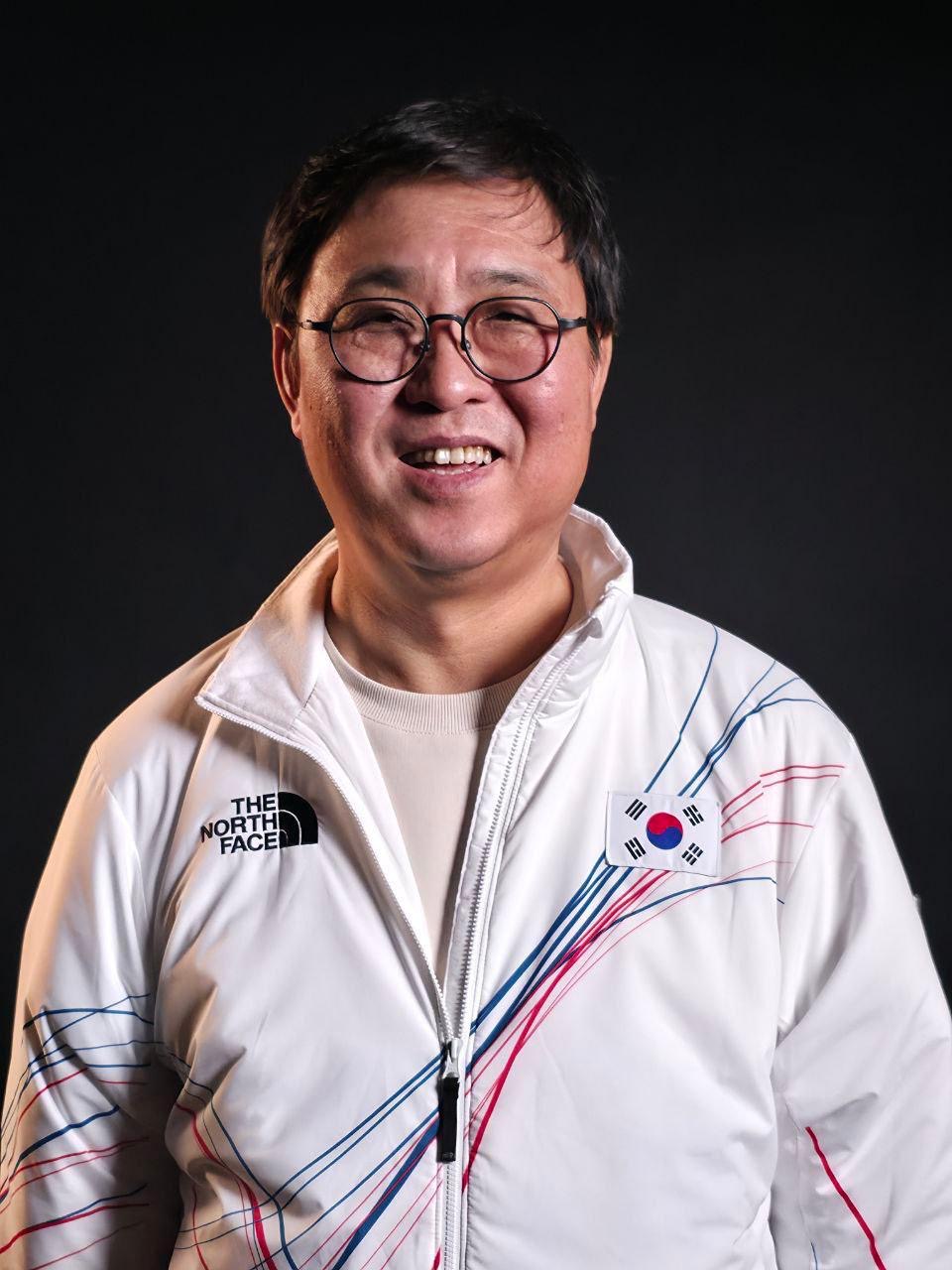
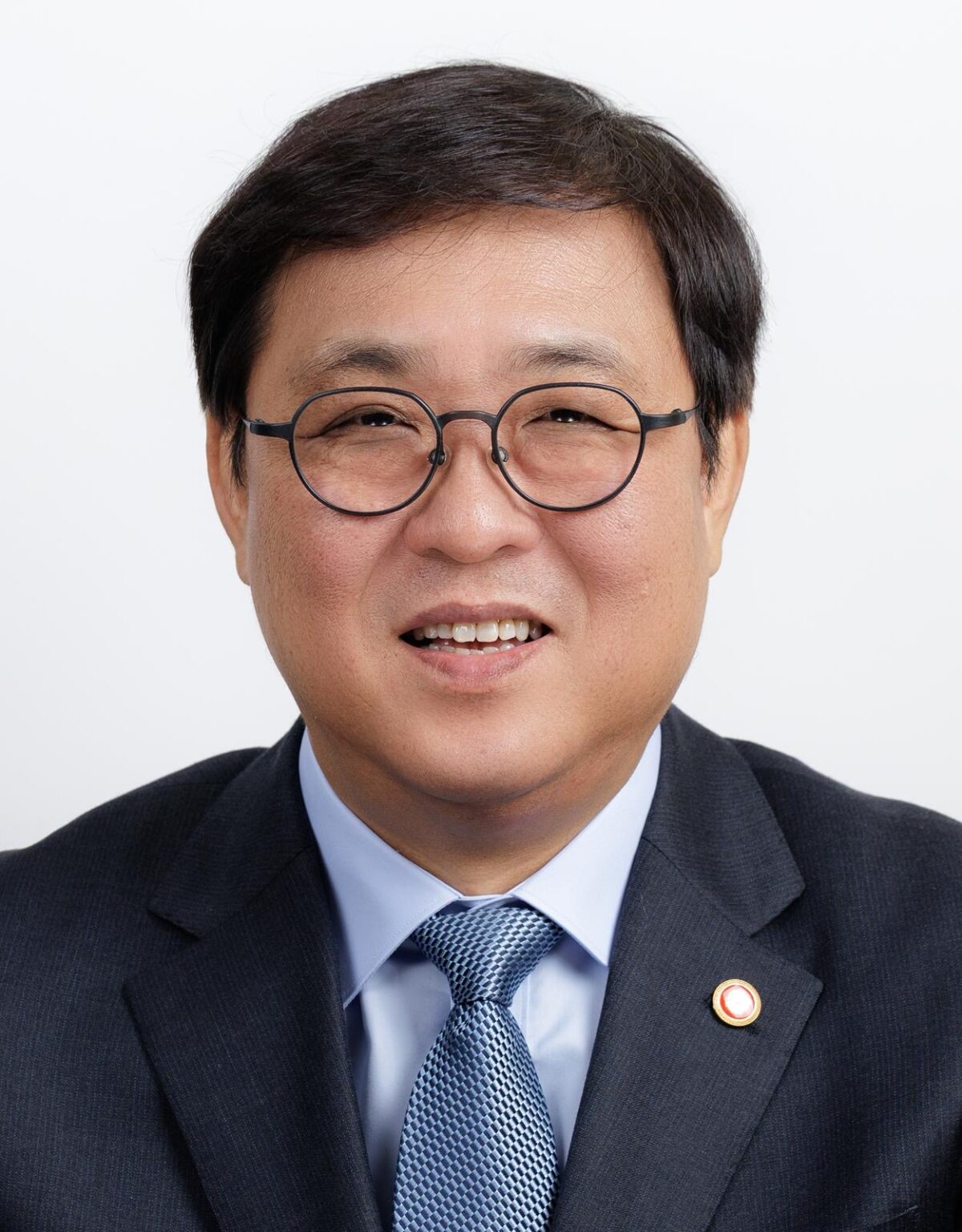
Within this framework, Panorama conducted an exclusive interview with Chae Hwi-young, Minister of Culture, Sports and Tourism of the Republic of Korea, on the occasion of his visit to Italy for the opening of the Milano-Cortina 2026 Winter Olympic Games. His remarks outline a strategic trajectory between Rome and Seoul that reaches far beyond the sporting event itself and speaks directly to the core of the cultural alliance between the two nations: the complementarity between heritage and innovation, the role of creative industries as instruments of diplomacy, and cultural exchange as geopolitical infrastructure.
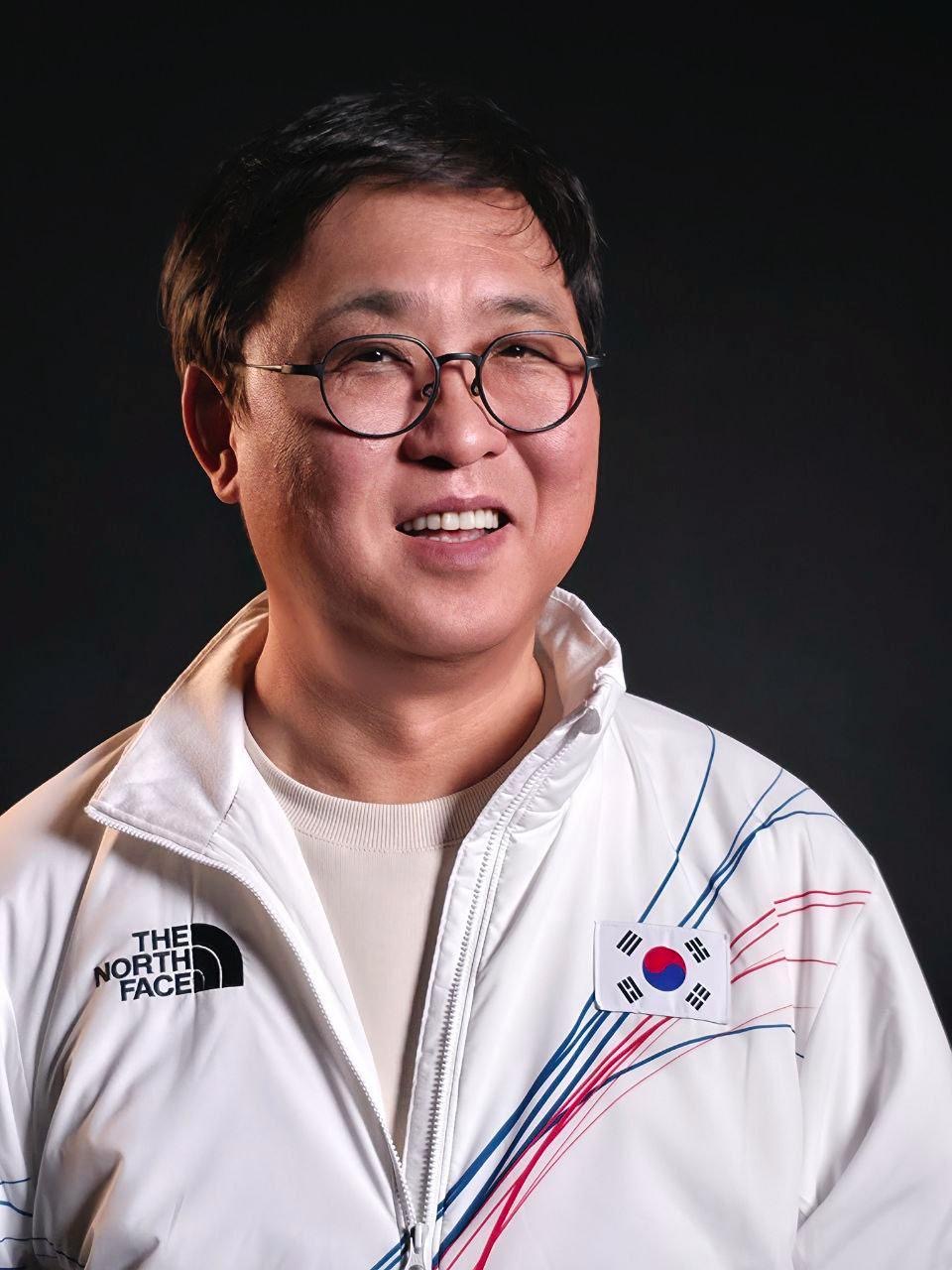
Italy and Korea are often seen as countries with strengths in cultural heritage and contemporary culture, respectively. How can these different cultural identities complement each other in future cultural exchanges between the two countries?
Although Italy and Korea may appear to embody different cultural identities, they share a common foundation in their long histories and rich cultural heritage. If Italy symbolizes the splendor of cultural heritage that reflects the depth of human history, Korea may be described as a symbol of dynamic innovation—reinterpreting its heritage through a contemporary lens and combining it with technology to create new value.
These similarities and differences together can elevate bilateral cultural exchange to a dialogue between past and future, forming a mutually complementary foundation for cultural cooperation that generates powerful synergy.
In this regard, the media façade performance jointly presented by Korean and Italian artists at the Colosseum in Rome during last year’s Korea–Italy Year of Mutual Cultural Exchange clearly demonstrated how such collaboration can be realized. Going forward, I believe our two countries will continue to expand cooperation in ways that allow tradition and modernity to coexist naturally where our cultural assets meet.
Why do you think Korean culture has been resonating with European audiences, and what are the key elements at its core?
I believe the greatest reason Korean culture has captured the hearts of Europeans beyond language and borders lies in the distinctive storytelling strength of Korean culture — its ability to convey universal emotions through uniquely Korean forms of expression. While K-content explores universally relatable themes such as family, love, and solidarity, it also retains Korea’s characteristic dynamism and meticulous attention to detail, naturally resonating with European audiences from diverse cultural backgrounds.
In addition, the distinctive mode of cultural engagement seen in K-culture—including K-pop—resonates strongly with younger generations in Europe. Through music and performance, it expresses the emotions and experiences of youth, while digital platforms enable direct interaction between artists and fans, allowing them to co-create culture together.
Italian fans are expected to visit Korea in March in connection with the BTS concert. What tourism content would you recommend for overseas visitors to experience Korean culture and everyday life?
For fans visiting Korea in connection with the BTS concert in March, I would most highly recommend a journey into the “real everyday life” of Koreans beyond the performance stage.
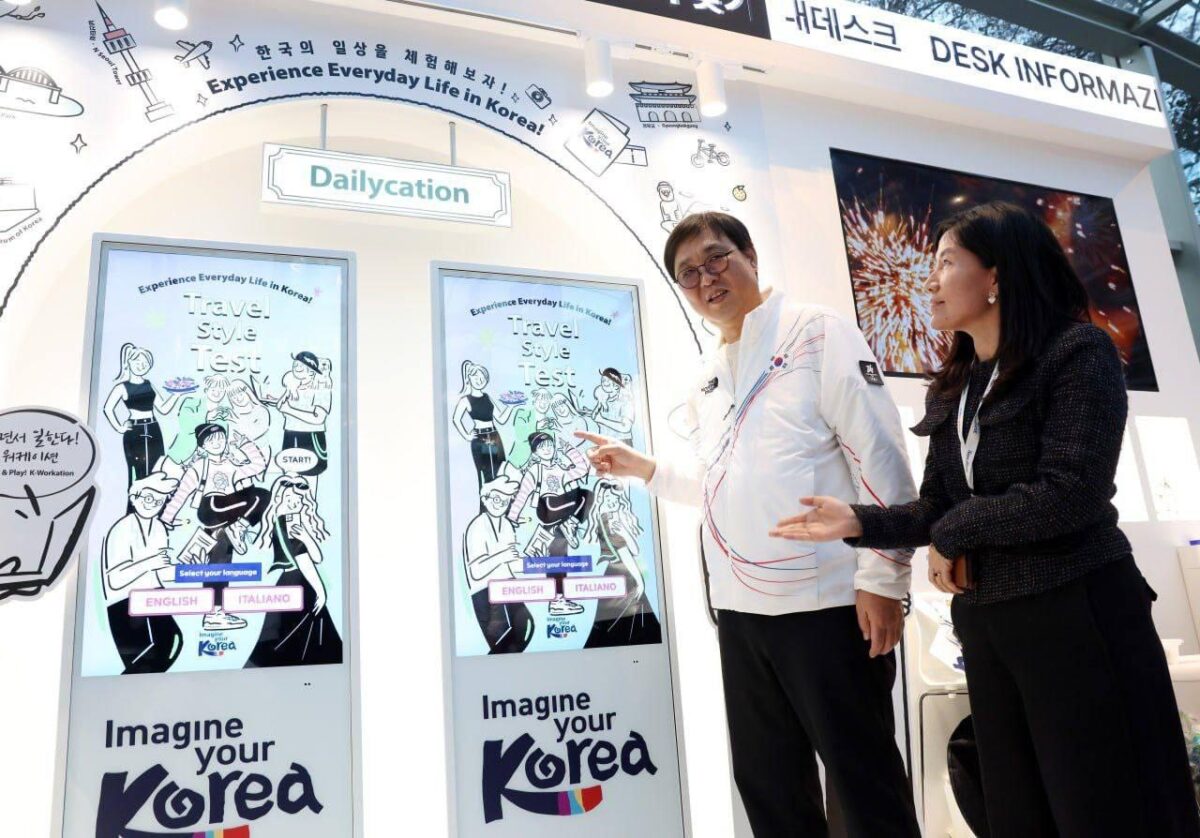
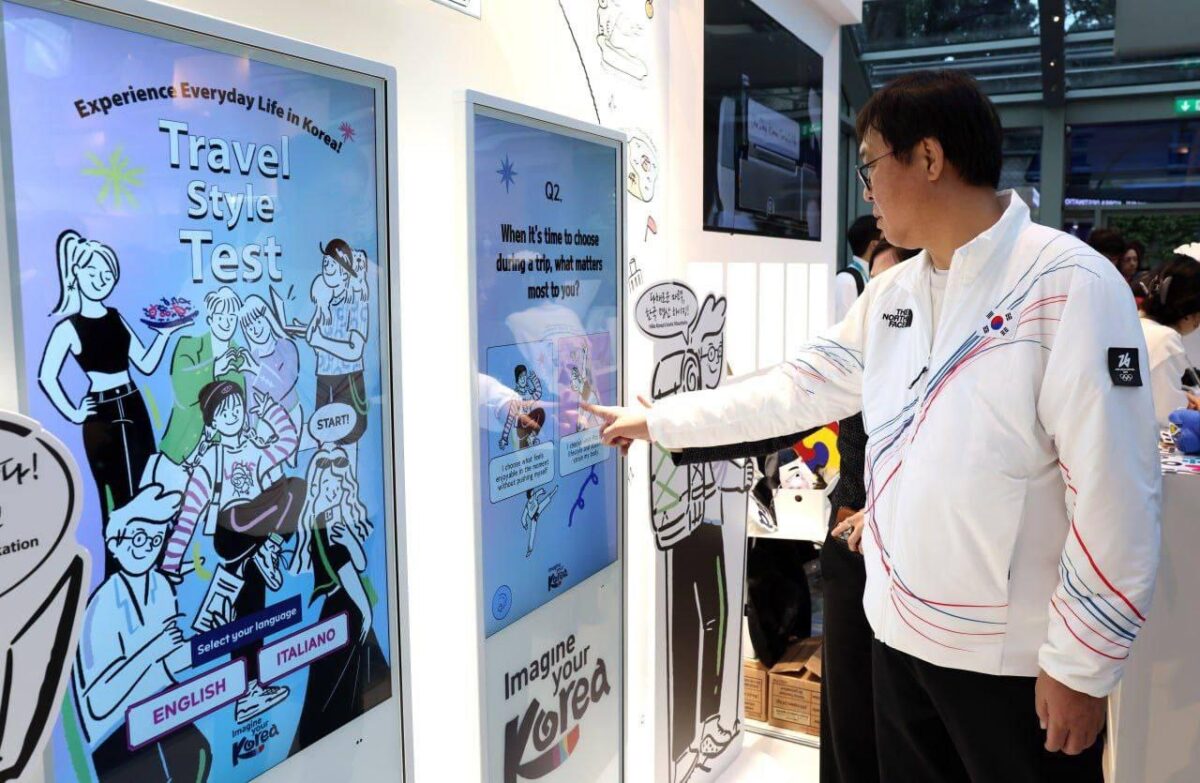
Rather than simply sightseeing, I encourage visitors to immerse themselves in the K-lifestyle—eating, relaxing, and enjoying Korea just as Koreans do. A walk along the Naksan Park fortress trail and a visit to N Seoul Tower—both of which have seen renewed interest following the global success of K-Pop Demon Hunters—offer a wonderful starting point. Travelers can also explore pop-up stores in Seongsu, now regarded as a hub of K-beauty, or try a personal color analysis in Myeongdong, one of Seoul’s most vibrant tourist districts. Above all, I encourage visitors to indulge in the wide variety of K-food that Koreans enjoy in their everyday lives.
For those who love history and culture, I highly recommend the National Museum of Korea, which attracted 6.5 million visitors last year. It is also known as a place frequently visited by RM, the leader of BTS, and stands as a unique cultural space where Korea’s past and present, as well as nature and technology, coexist.
Finally, I would also encourage visitors to venture beyond Seoul and experience Korea’s diverse regional cultures. I hope they will discover new dimensions of Korea in Gyeongju, the ancient capital that drew global attention during last year’s APEC summit; Busan, a dynamic coastal city where ocean and urban life meet; and Jeju and Gangwon, where visitors can fully immerse themselves in nature and relaxation.
Why is K-pop gaining such strong attention among young Italians, and what does this cultural expansion mean for exchanges between the two countries?
K-pop’s strong appeal among young Italians can be attributed to its highly polished music and performances, combined with the values of individuality and self-expression embedded within it—qualities that resonate strongly with Italian youth. Moreover, its participatory fandom culture—expressed through light sticks, live concerts, and vibrant fan communities—has created a powerful sense of collective cultural creation that continues to engage younger audiences.
I believe the popularity of K-pop has evolved beyond music consumption to serve as a cultural bridge between our two countries. As the initial interest sparked by K-pop expands into broader interest in language, history, food, beauty, and lifestyle, it can serve as a foundation for deeper people-to-people and cultural exchanges, ultimately fostering a more multidimensional and sustainable partnership.
Through major international mega events such as the Olympics, what national image does Korea aim to present, and what cultural and sports cooperation do you expect between the two countries in connection with the Milano Cortina 2026?
The Olympic Games are an important global stage through which a nation shares the values and culture it aspires to uphold. Through the Olympic Games, Korea seeks to present a national image grounded in the universal sporting values of fairness, trust, and solidarity, while also highlighting a spirit that brings together tradition with dynamism, creativity, and openness.
We hope that the Olympic Winter Games Milano Cortina 2026 will serve as an opportunity to further expand cultural and sports cooperation between Korea and Italy. As both countries have hosted the Winter Olympic Games, I expect that our shared experience will lead to a meaningful cooperation across a wide range of fields, including sports exchange, culture, tourism, and youth engagement.
How should Korea House evolve to move beyond a simple promotional venue and become a platform for mutual cultural exchange with the host country?
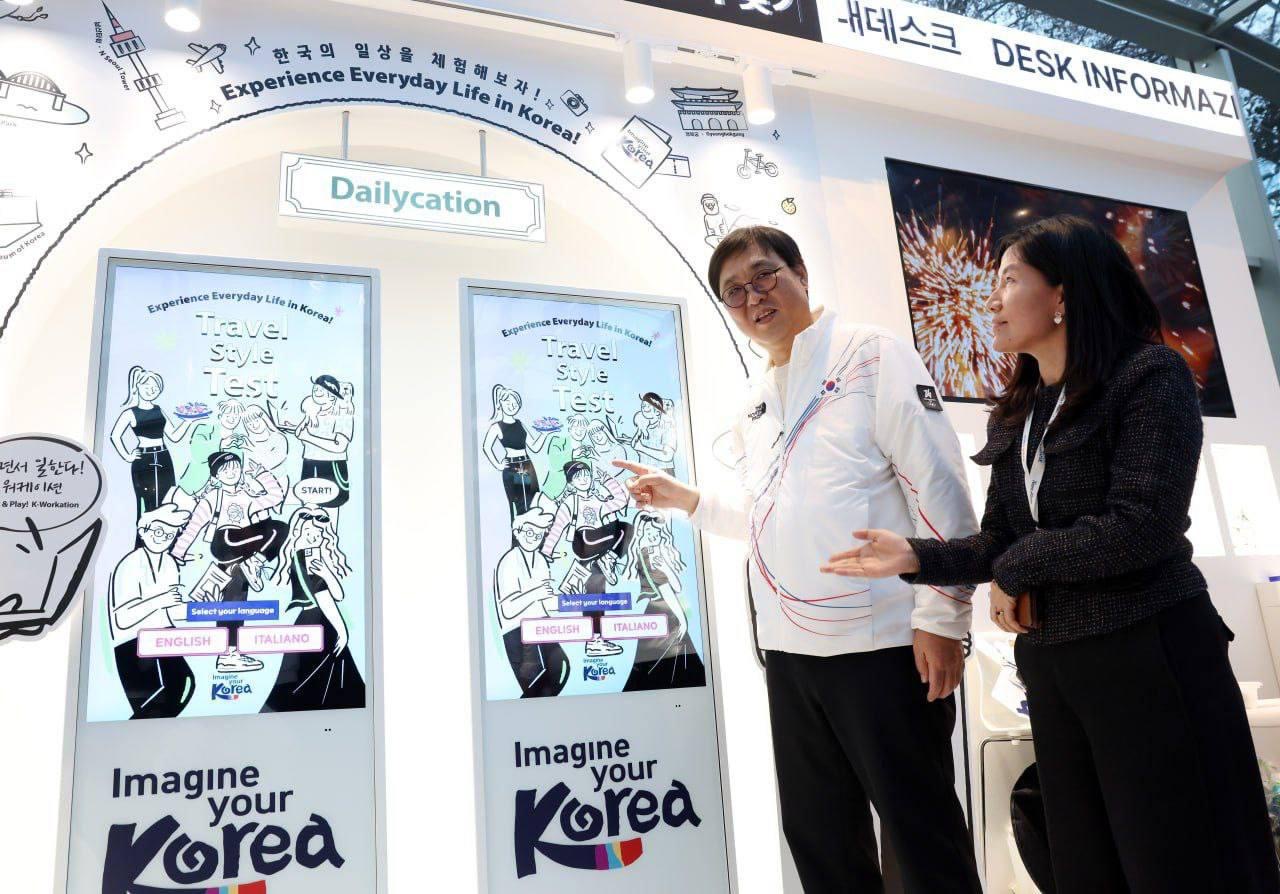
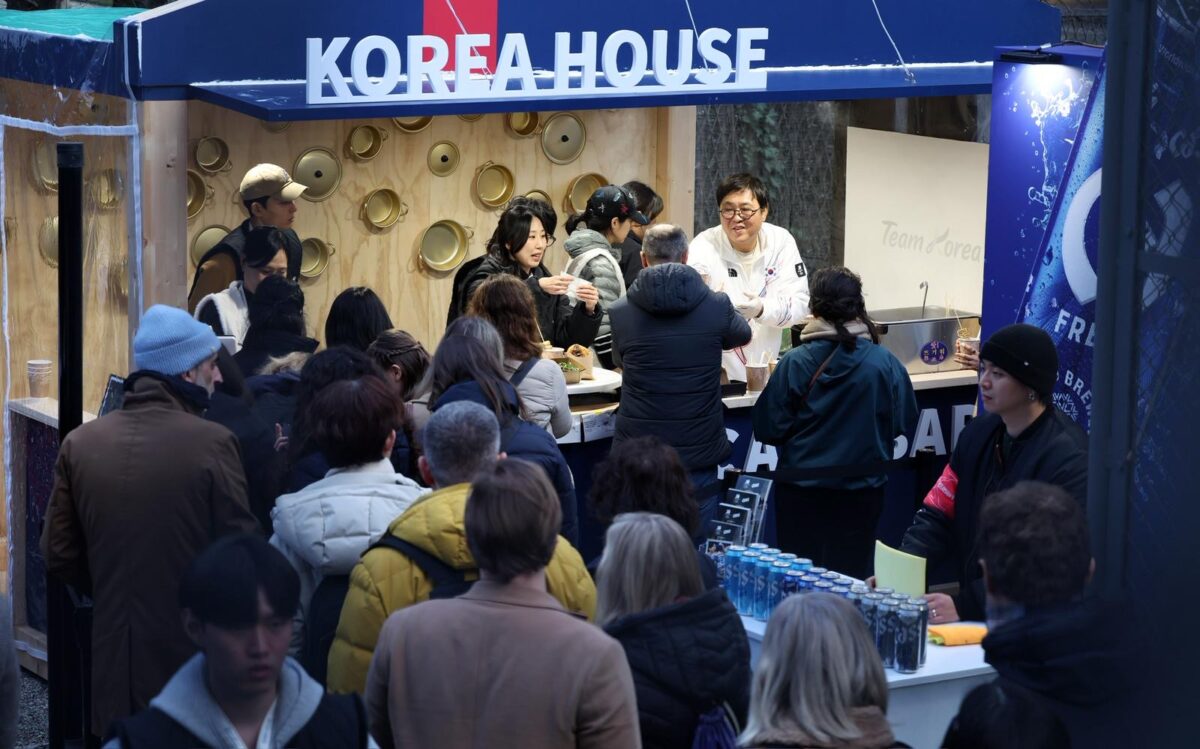
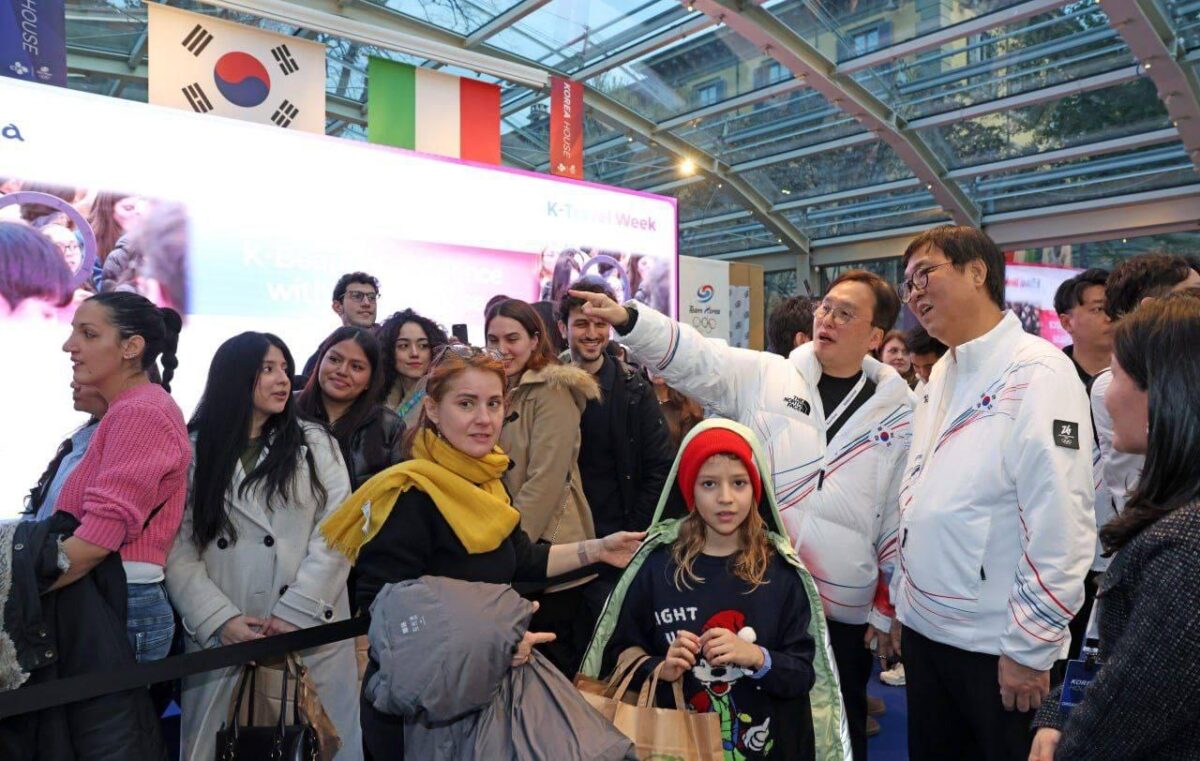
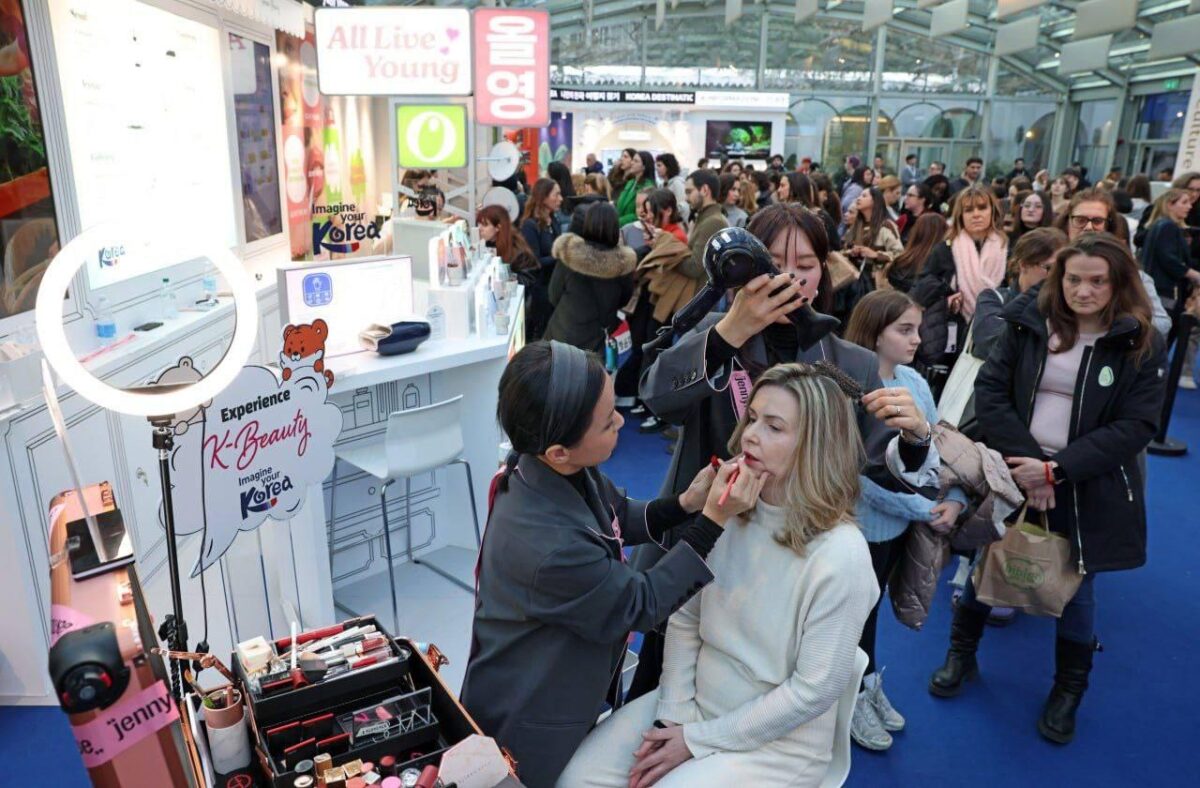
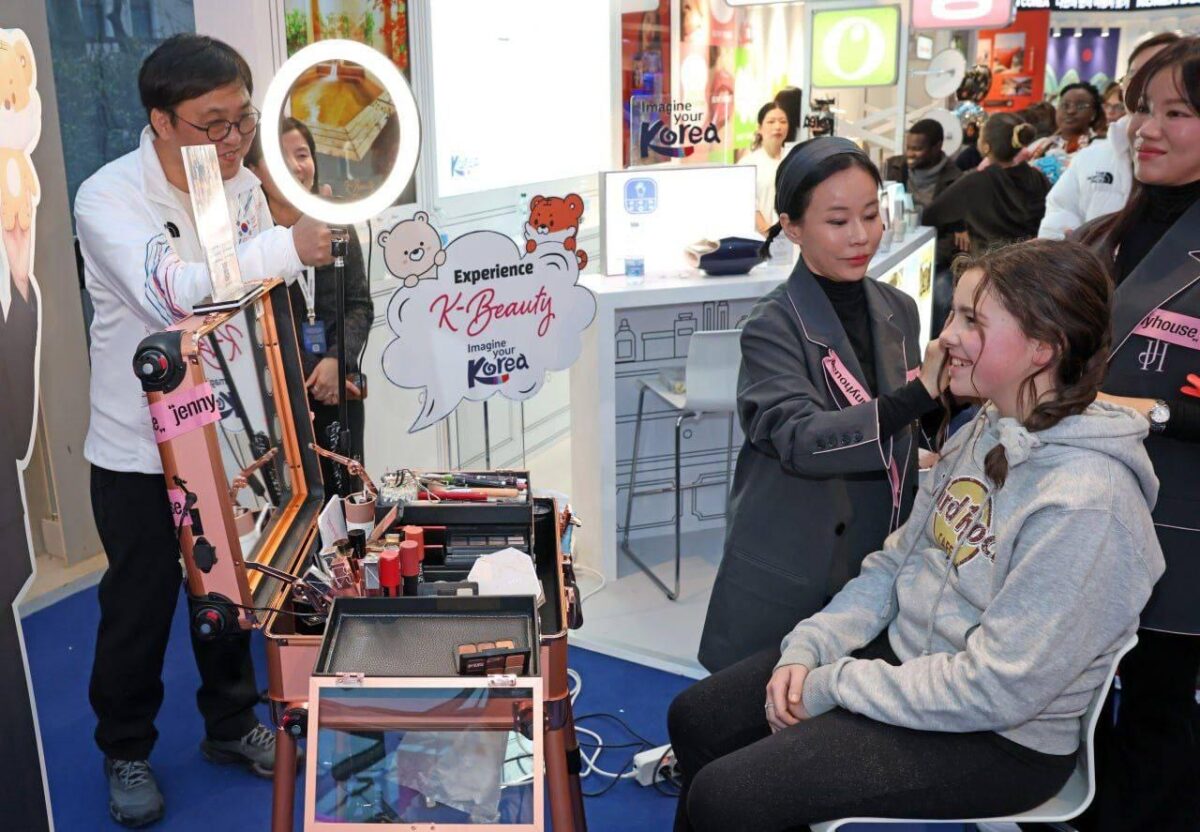
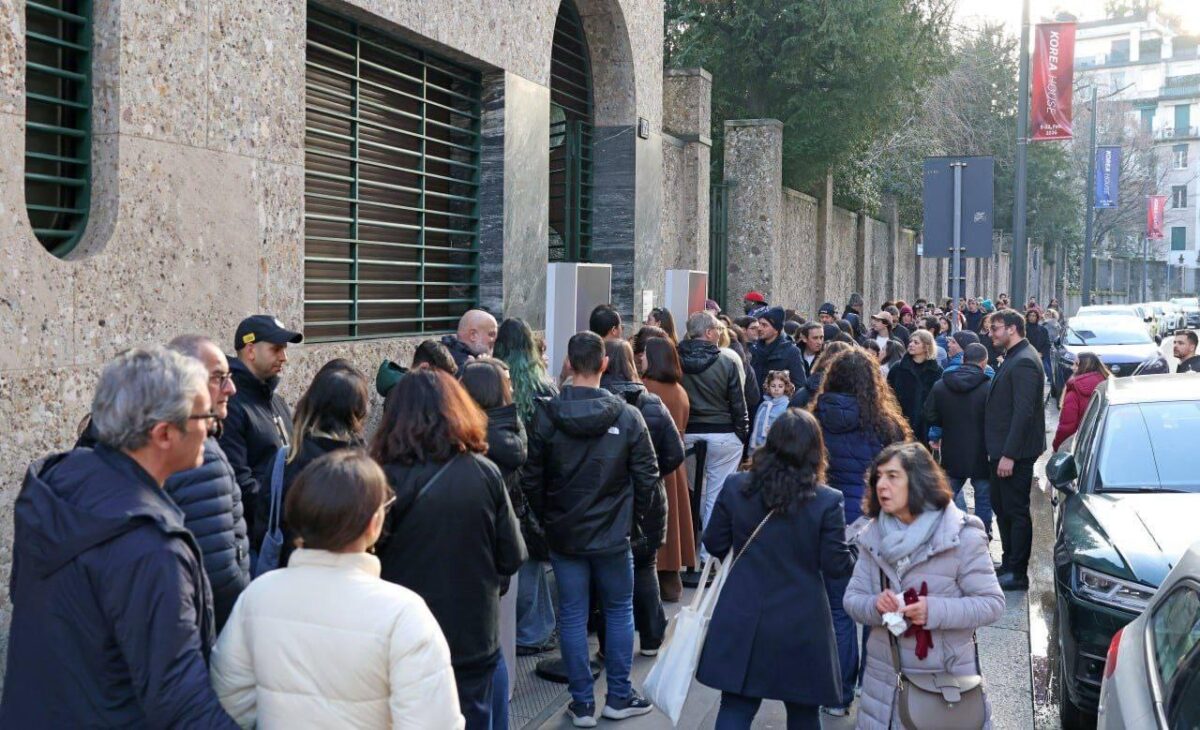
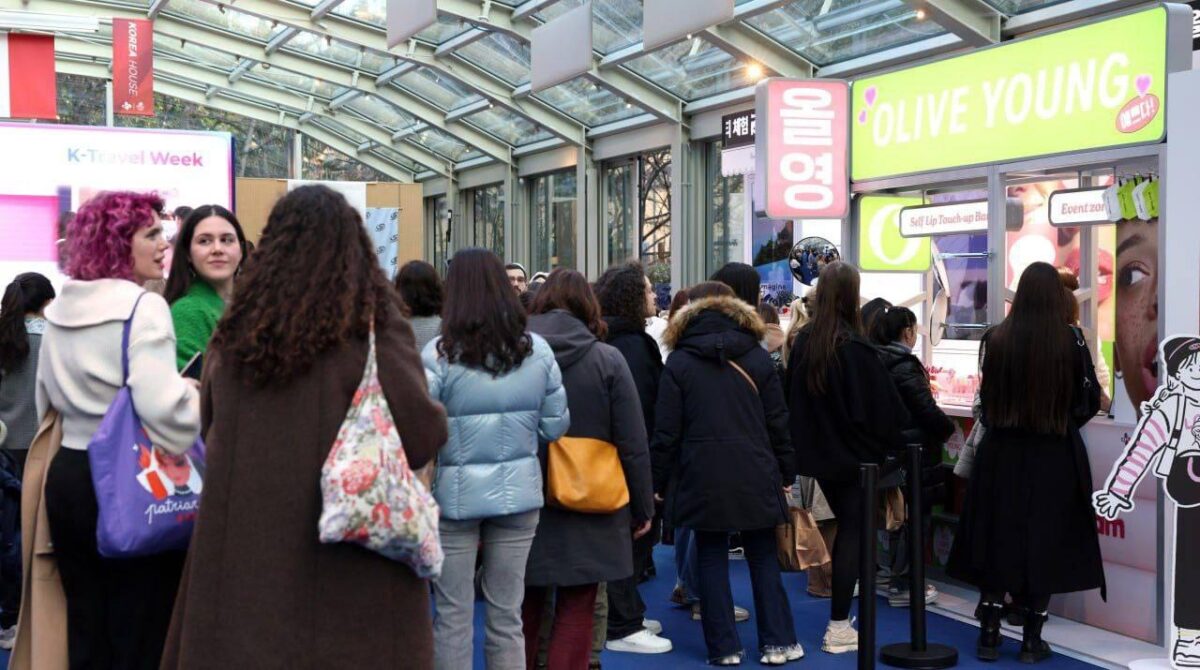
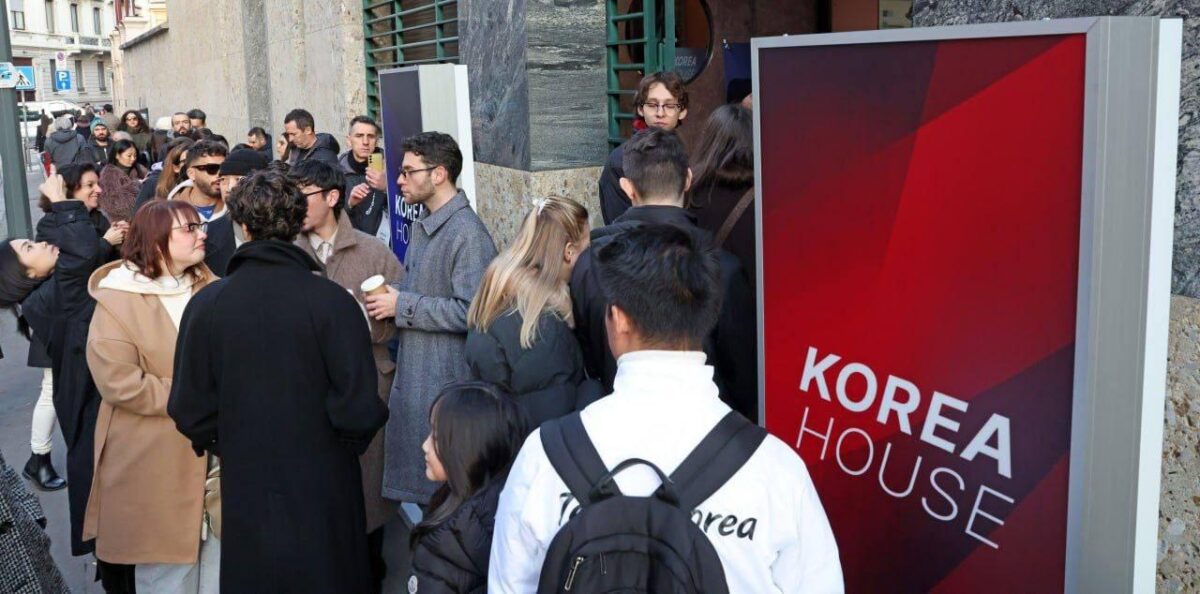
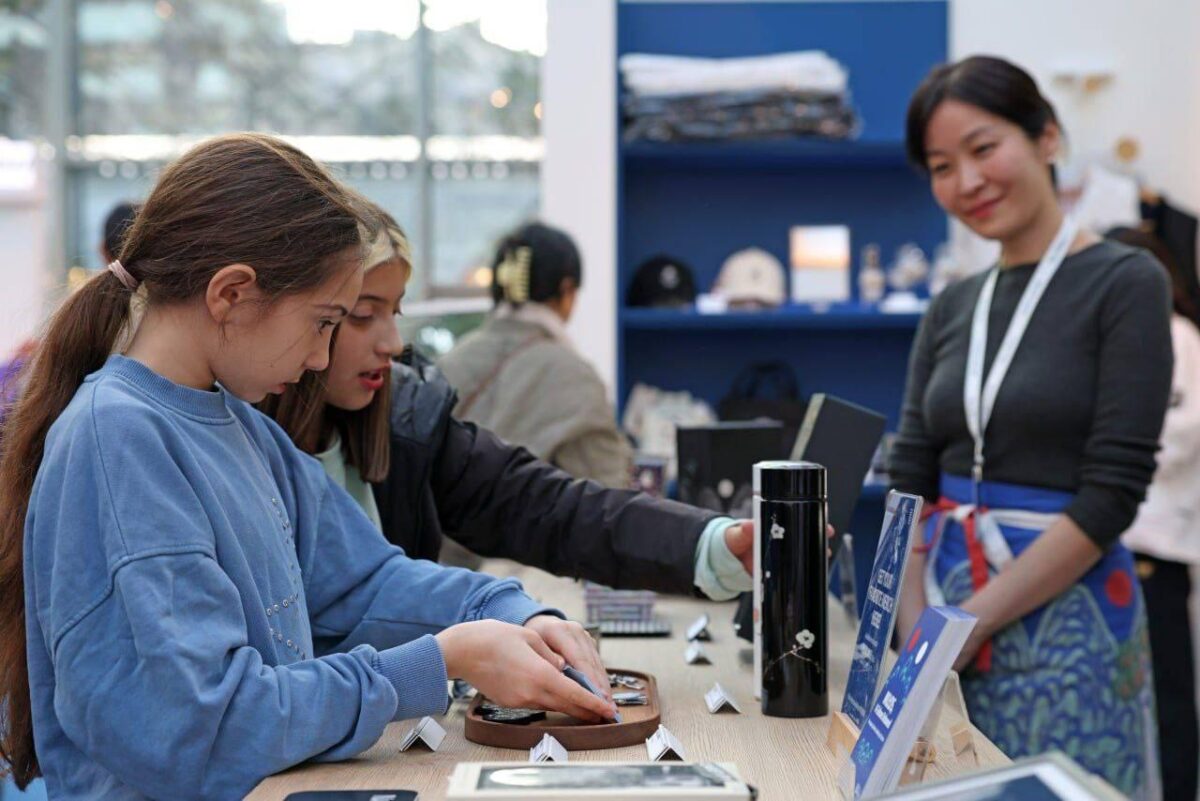
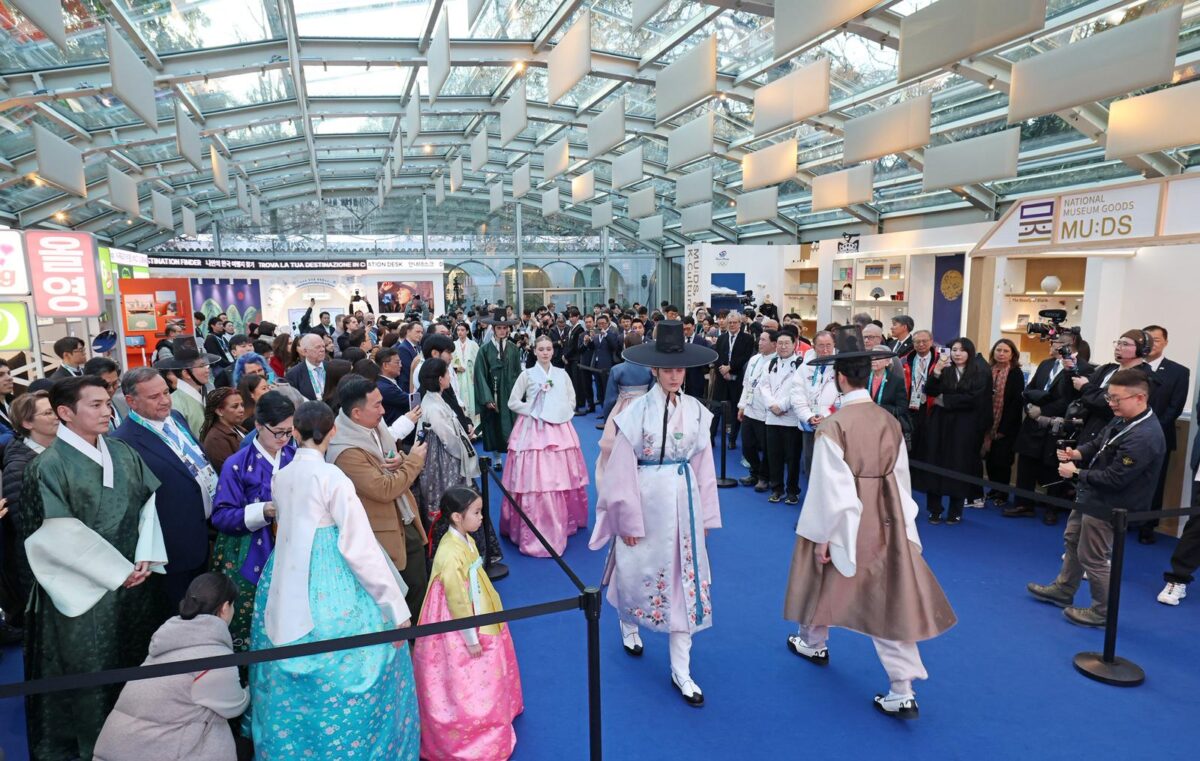
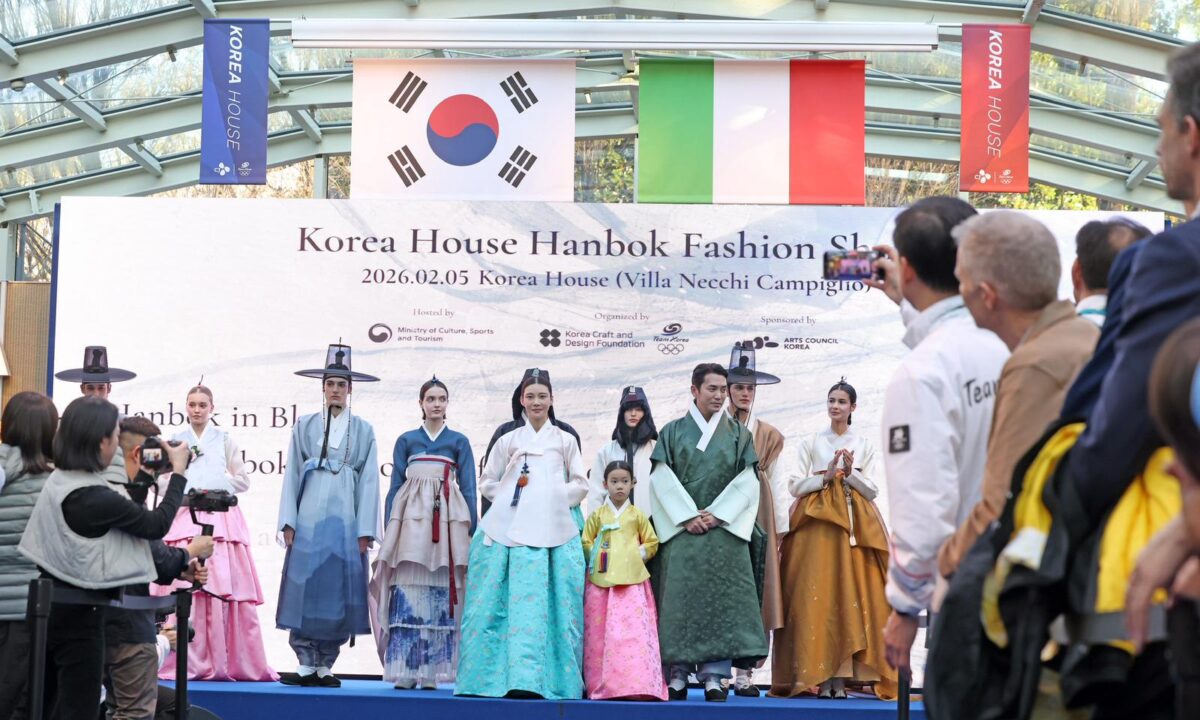
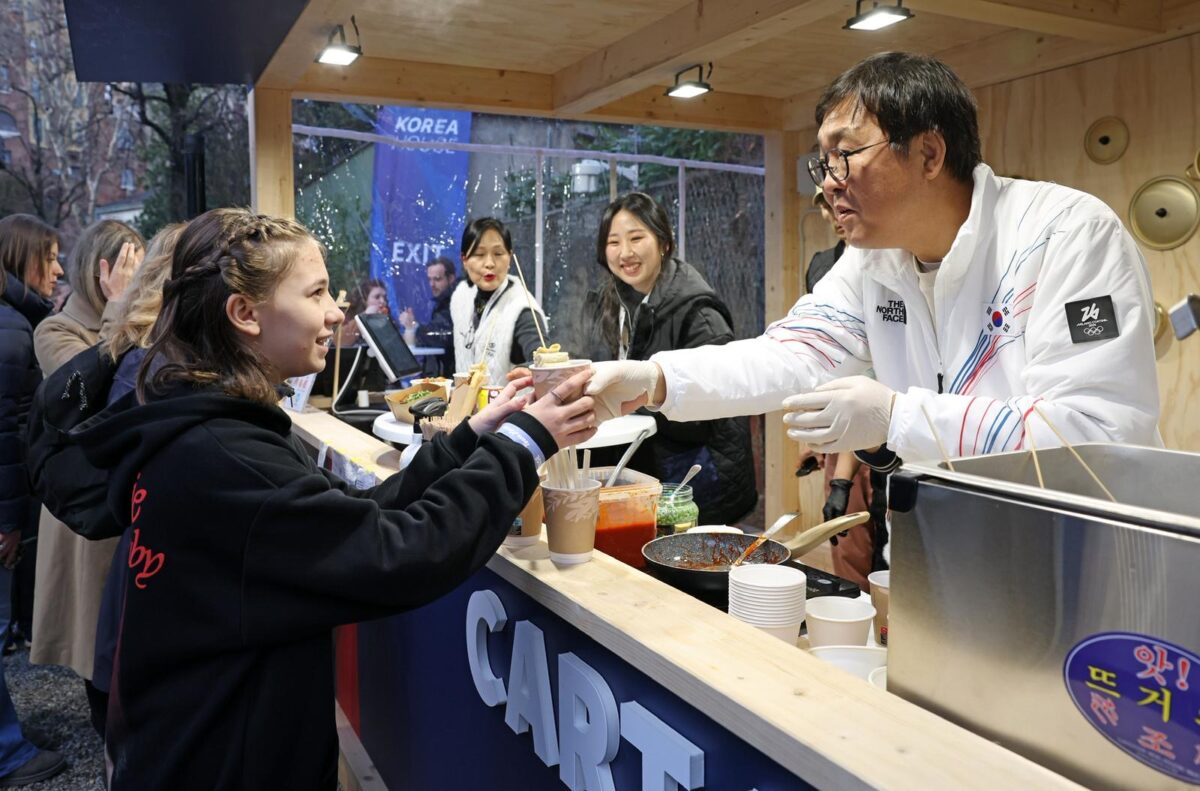
First, as the minister responsible for this initiative, I would like to express my sincere appreciation for the strong local interest in Korea House at Villa Necchi Campiglio, which has been welcoming nearly 2,000 visitors per day. I believe the wide range of programs—from K-beauty and K-food to broader K-culture experiences—offered in a space where visitors can encounter both Korea’s tradition and modernity has resonated strongly with local audiences.
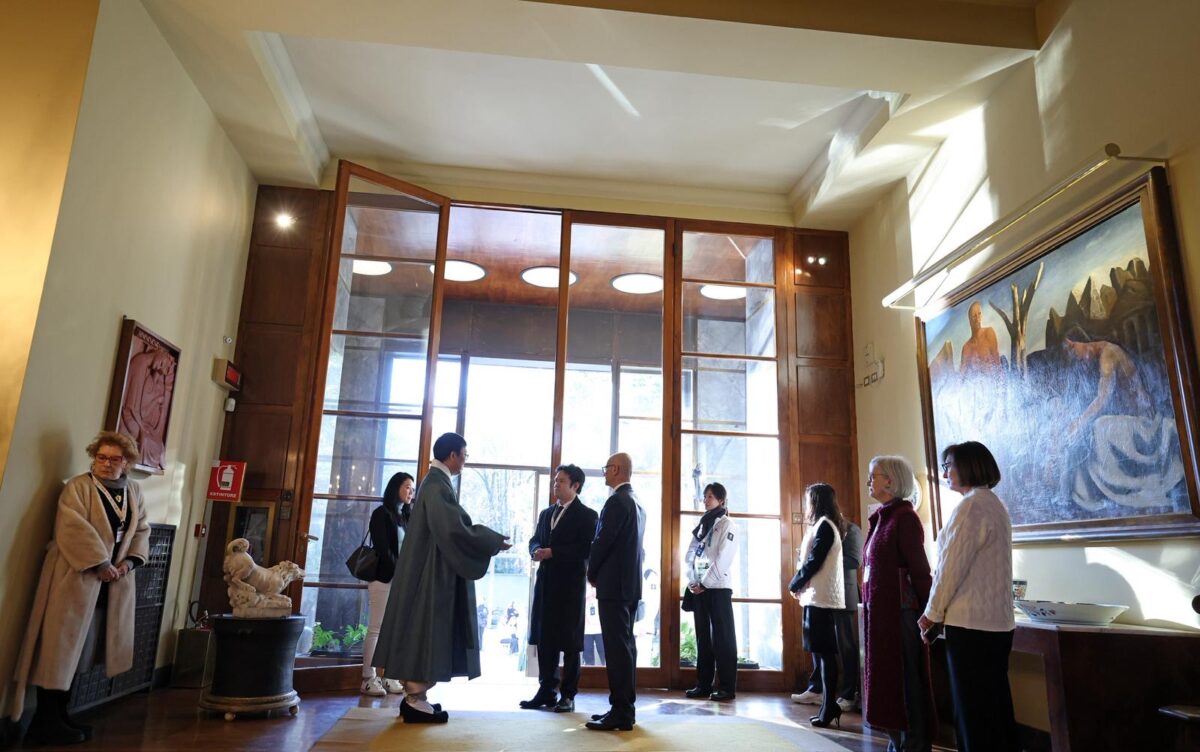
I personally visited Korea House, met many visitors on site, and even served food myself. I was deeply moved when so many people warmly greeted me in Korean. Experiencing this firsthand gave me great confidence that Korea House can continue to grow into an important platform for mutual cultural exchange with the host country.
Building on our experience with Korea House, I believe it should evolve beyond simply introducing Korean culture to become a two-way cultural exchange platform that engages organically with local society on the global stage of the Olympic Games. Above all, by expanding programs that encourage active participation from local communities, I hope Korea House will become a welcoming space where visitors feel as if they are visiting a Korean friend’s home, and where cultures come together naturally.
What ultimately emerges from Chae Hwi-young’s remarks is a clear understanding that, for South Korea, culture is not a sector but a system. An ecosystem that weaves together creative industries, public policy, diplomacy, and civic participation. Not a collection of isolated phenomena — K-pop, cinema, tourism, beauty — but a coherent international strategy.
It is precisely on this terrain that Italy can engage as an equal partner. If Seoul has successfully transformed its heritage into a global contemporary language, Rome continues to represent one of the world’s most authoritative references in the stewardship and enhancement of cultural legacy. Two distinct models, yet not incompatible. Two identities that do not cancel each other out, but recognize one another.
The Minister’s presence in Italy for the opening of the Milano-Cortina 2026 Winter Olympic Games, therefore, carries symbolic weight that transcends the event itself. It signals a relationship that extends beyond formal diplomacy and is instead structured through cultural exchange, creative cooperation, and shared platforms. From the media façade at the Colosseum to Korea House in Milan, from tourism flows linked to K-pop to institutional cultural partnerships, the Italy–South Korea axis is advancing on concrete, measurable terms.
Korea House in Milan offers perhaps the clearest illustration of what this partnership looks like in practice. Among the various national cultural spaces activated during the Winter Games, it distinguished itself for the consistency of its daily attendance and the breadth of its participatory programming. More than a promotional venue, it served as a living platform for exchange, where Italian audiences engaged with contemporary Korean creativity not as passive observers but as active participants. From beauty workshops to culinary experiences, from design to performance, it translated diplomatic dialogue into tangible interaction. In doing so, it demonstrated that cultural strategy reaches its full potential when it becomes experiential — when soft power is not simply projected outward, but shared.
The momentum is now moving into the broader creative industries. The upcoming collaboration between Milan Fashion Week and Seoul Fashion Week — embodied in the project Soul Threads: Voices of Seoul — signals a further step in the institutionalization of this dialogue. What began as a cultural fascination is evolving into a structured industry exchange, where fashion becomes another strategic bridge between the two systems.
The challenge now is continuity. To transform convergence into structure. To make what appears exceptional today become systemic tomorrow. Because soft power is never improvised; it is planned, cultivated, and sustained over time.
In a world where nations redefine themselves not only through economic or technological strength, but through their ability to narrate themselves and be understood, Italy and South Korea appear to have grasped a fundamental truth: culture is far more than an identity marker. It is geopolitical leverage. It is a shared language. Above all, it is a form of alliance.